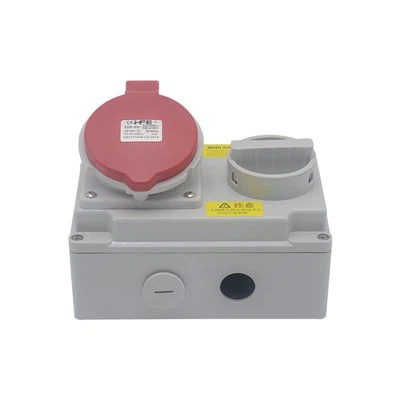
Testing the insulation of a sloping surface - mounted socket is a crucial process to ensure electrical safety and reliable performance. As a supplier of Sloping Surface - mounted Sockets, I understand the significance of proper insulation testing. In this blog, I will share with you the detailed steps and methods for testing the insulation of a sloping surface - mounted socket.
Understanding the Importance of Insulation Testing
Insulation in electrical sockets serves as a barrier to prevent the flow of electric current to unwanted areas. A faulty insulation can lead to electrical shocks, short - circuits, and even fires. For sloping surface - mounted sockets, which are often installed in various industrial and commercial settings, the insulation must be in top - notch condition due to the potential exposure to different environmental factors such as dust, moisture, and mechanical stress.
Pre - testing Preparations
Before starting the insulation test, several preparations need to be made. First, ensure that the socket is disconnected from the power source. This is a fundamental safety measure to avoid any electrical hazards during the testing process. Use a voltage tester to double - check that there is no electrical current present in the socket.
Next, gather the necessary testing equipment. A megohmmeter, also known as an insulation resistance tester, is the primary tool for this test. Make sure the megohmmeter is in good working condition and calibrated correctly. Additionally, you may need some basic hand tools such as screwdrivers to access the internal components of the socket if required.
Step - by - Step Insulation Testing Process
Step 1: Visual Inspection
Begin with a thorough visual inspection of the sloping surface - mounted socket. Look for any visible signs of damage, such as cracks, burns, or corrosion on the socket body and the insulation material. Check the wiring connections to ensure they are secure and there are no loose wires. Any visible damage may indicate potential insulation problems.
Step 2: Cleaning the Socket
If the socket is dirty or has accumulated dust and debris, clean it carefully. Use a dry, lint - free cloth to wipe the surface of the socket. For stubborn dirt, you can use a mild cleaning solution, but make sure to dry the socket completely before proceeding with the insulation test.
Step 3: Setting up the Megohmmeter
Turn on the megohmmeter and set it to the appropriate range for insulation resistance testing. The typical range for testing electrical sockets is usually in the megohm (MΩ) scale. Connect the test leads of the megohmmeter to the appropriate terminals of the socket. One lead should be connected to the live conductor, and the other to the neutral conductor. In some cases, you may also need to test the insulation between the conductors and the ground.
Step 4: Conducting the Test
Once the megohmmeter is properly connected, start the test. The megohmmeter will apply a specific voltage (usually 500V or 1000V for most electrical installations) to the socket and measure the insulation resistance. Let the test run for a few minutes to allow the reading to stabilize.
The insulation resistance value obtained from the test is a key indicator of the socket's insulation quality. In general, a good insulation resistance value for a sloping surface - mounted socket should be above a certain threshold. For most industrial applications, an insulation resistance of at least 1 MΩ is considered acceptable. If the measured value is significantly lower than this threshold, it may indicate a problem with the insulation.
Step 5: Interpreting the Results
If the insulation resistance value is within the acceptable range, it means that the insulation of the socket is in good condition. However, if the value is below the threshold, further investigation is required. There could be several reasons for low insulation resistance, such as moisture ingress, damaged insulation material, or loose connections.
In case of low insulation resistance, you can try to dry the socket if moisture is suspected. If the problem persists, it may be necessary to replace the insulation material or the entire socket.
Special Considerations for Sloping Surface - mounted Sockets
Sloping surface - mounted sockets have some unique characteristics that need to be considered during insulation testing. Due to their sloping design, they may be more prone to moisture accumulation, especially in areas with high humidity or where water splashing is possible. Therefore, it is important to pay extra attention to the bottom and edges of the socket during the visual inspection and cleaning process.
In addition, the installation of sloping surface - mounted sockets may require special mounting brackets or fixtures. Make sure that these mounting components do not interfere with the insulation of the socket. Check for any signs of mechanical stress on the socket body caused by improper installation.
Comparison with Other Types of Sockets
Our company also offers Power Industrial Socket and Multifunctional Industrial Socket. While the basic principles of insulation testing are similar for all types of sockets, there are some differences.
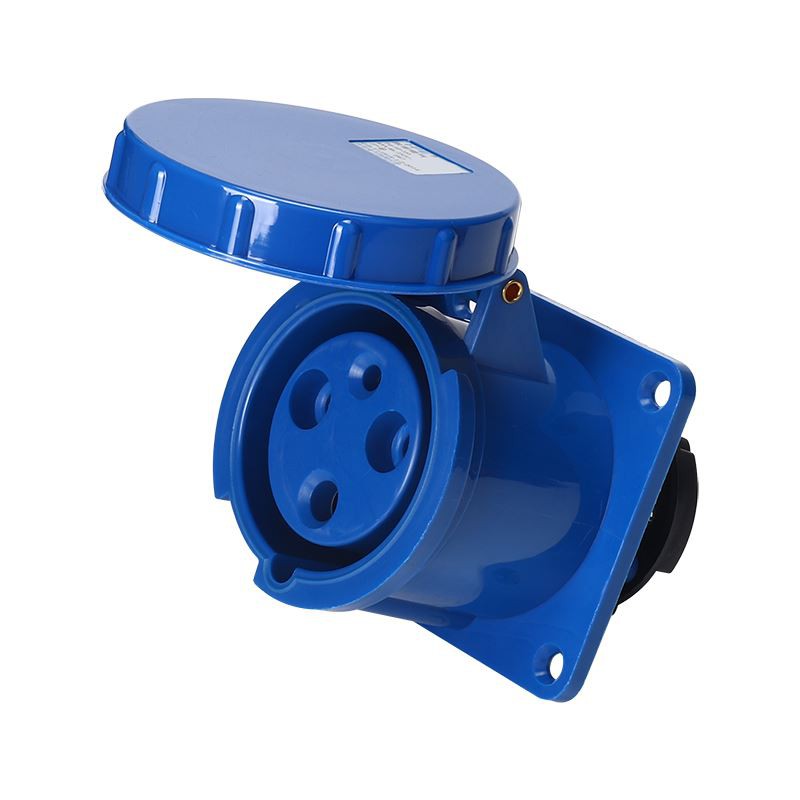

Power industrial sockets are designed to handle higher electrical loads, so their insulation requirements are often more stringent. The insulation resistance values for power industrial sockets may need to be higher compared to sloping surface - mounted sockets.
Multifunctional industrial sockets, on the other hand, have more complex internal structures due to their multiple functions. This may require more detailed testing procedures to ensure the insulation of all the different circuits and components.
Conclusion
Testing the insulation of a sloping surface - mounted socket is a vital process that should not be overlooked. By following the steps and considerations outlined in this blog, you can ensure the safety and reliability of your electrical installations. As a supplier of Sloping Surface - mounted Sockets, we are committed to providing high - quality products and relevant technical support.
If you are interested in our sloping surface - mounted sockets or other industrial sockets, we welcome you to contact us for further procurement discussions. We can offer you detailed product information, competitive prices, and excellent after - sales service.
References
- Electrical Installation Handbook, International Electrotechnical Commission (IEC)
- National Electrical Code (NEC), National Fire Protection Association (NFPA)