What are the performance requirements for socket outlets with interlock?
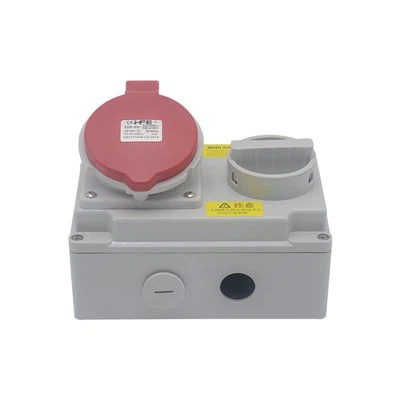
As a supplier of Socket Outlets With Interlock, I've witnessed firsthand the critical role these devices play in various electrical systems. Interlocked socket outlets are designed to enhance safety by preventing accidental or unauthorized access to electrical power. They are commonly used in industrial, commercial, and residential settings where safety is of utmost importance. In this blog, I'll delve into the performance requirements for socket outlets with interlock, highlighting the key factors that ensure their reliable and safe operation.
Electrical Performance
One of the primary performance requirements for socket outlets with interlock is their electrical performance. These outlets must be able to handle the electrical load they are designed for without overheating or causing electrical hazards. The electrical performance of a socket outlet is determined by several factors, including its voltage rating, current rating, and power rating.
- Voltage Rating: The voltage rating of a socket outlet indicates the maximum voltage it can safely handle. It is important to choose a socket outlet with a voltage rating that matches the electrical system it will be used in. Using a socket outlet with a lower voltage rating than the electrical system can result in overheating and electrical hazards.
- Current Rating: The current rating of a socket outlet indicates the maximum current it can safely carry. It is important to choose a socket outlet with a current rating that matches the electrical load it will be used for. Using a socket outlet with a lower current rating than the electrical load can result in overheating and electrical hazards.
- Power Rating: The power rating of a socket outlet indicates the maximum power it can safely handle. It is calculated by multiplying the voltage rating by the current rating. It is important to choose a socket outlet with a power rating that matches the electrical load it will be used for. Using a socket outlet with a lower power rating than the electrical load can result in overheating and electrical hazards.
In addition to these ratings, socket outlets with interlock must also be able to provide a stable and reliable electrical connection. They should have low contact resistance to minimize power loss and prevent overheating. The contacts of the socket outlet should be made of high-quality materials that are resistant to corrosion and wear.
Mechanical Performance
Another important performance requirement for socket outlets with interlock is their mechanical performance. These outlets must be able to withstand the mechanical stresses and strains they are exposed to during normal use. The mechanical performance of a socket outlet is determined by several factors, including its construction, materials, and design.
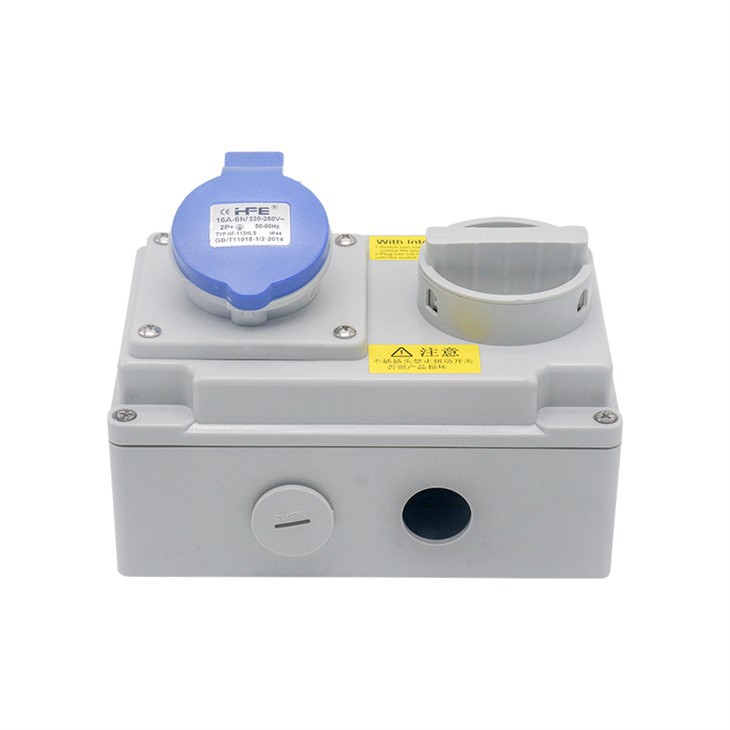

- Construction: The construction of a socket outlet refers to the way it is built. It should be sturdy and durable, able to withstand the mechanical stresses and strains it is exposed to during normal use. The housing of the socket outlet should be made of high-quality materials that are resistant to impact, heat, and chemicals.
- Materials: The materials used in the construction of a socket outlet are also important. The contacts of the socket outlet should be made of high-quality materials that are resistant to corrosion and wear. The housing of the socket outlet should be made of materials that are flame-retardant and meet the relevant safety standards.
- Design: The design of a socket outlet is also important. It should be easy to use and install, with clear markings and instructions. The interlock mechanism should be reliable and easy to operate, preventing accidental or unauthorized access to electrical power.
Safety Performance
Safety is the most important performance requirement for socket outlets with interlock. These outlets are designed to prevent accidental or unauthorized access to electrical power, reducing the risk of electrical shock and fire. The safety performance of a socket outlet is determined by several factors, including its interlock mechanism, grounding, and protection against overcurrent and short circuits.
- Interlock Mechanism: The interlock mechanism of a socket outlet is designed to prevent the plug from being inserted or removed while the power is on. This reduces the risk of electrical shock and fire. The interlock mechanism should be reliable and easy to operate, preventing accidental or unauthorized access to electrical power.
- Grounding: Grounding is an important safety feature of socket outlets with interlock. It provides a path for electrical current to flow in the event of a fault, reducing the risk of electrical shock. The socket outlet should be properly grounded, with a grounding conductor that is connected to the electrical system's grounding electrode.
- Protection Against Overcurrent and Short Circuits: Socket outlets with interlock should be equipped with protection against overcurrent and short circuits. This can be achieved through the use of fuses or circuit breakers. These devices automatically cut off the power in the event of an overcurrent or short circuit, reducing the risk of electrical fire.
Environmental Performance
Socket outlets with interlock are often used in harsh environments, such as industrial and outdoor settings. Therefore, they must be able to withstand the environmental conditions they are exposed to. The environmental performance of a socket outlet is determined by several factors, including its resistance to moisture, dust, and temperature.
- Moisture Resistance: Socket outlets with interlock should be resistant to moisture, as moisture can cause electrical shorts and corrosion. They should be designed to prevent water from entering the socket outlet, with gaskets or seals to protect the electrical contacts.
- Dust Resistance: Socket outlets with interlock should also be resistant to dust, as dust can accumulate on the electrical contacts and cause electrical shorts. They should be designed to prevent dust from entering the socket outlet, with filters or covers to protect the electrical contacts.
- Temperature Resistance: Socket outlets with interlock should be able to withstand a wide range of temperatures, as they may be used in environments with extreme temperatures. They should be designed to operate safely in both high and low temperatures, with materials that are resistant to thermal expansion and contraction.
Compliance with Standards
Socket outlets with interlock must comply with relevant national and international standards. These standards ensure that the socket outlets are safe and reliable, and meet the performance requirements for their intended use. Some of the most common standards for socket outlets with interlock include:
- IEC 60309: This international standard specifies the requirements for industrial plugs, socket-outlets, and couplers. It covers the electrical, mechanical, and safety performance of these devices, as well as their environmental performance.
- UL 498: This American standard specifies the requirements for attachment plugs and receptacles. It covers the electrical, mechanical, and safety performance of these devices, as well as their environmental performance.
- BS 1363: This British standard specifies the requirements for 13-amp socket-outlets and plugs. It covers the electrical, mechanical, and safety performance of these devices, as well as their environmental performance.
As a supplier of Socket Outlets With Interlock, we ensure that our products comply with all relevant standards. Our Interlocked Socket Outlet is designed to meet the highest safety and performance standards, providing reliable and safe electrical connections in a variety of applications.
Conclusion
In conclusion, the performance requirements for socket outlets with interlock are crucial for ensuring their reliable and safe operation. These requirements include electrical performance, mechanical performance, safety performance, environmental performance, and compliance with standards. As a supplier of socket outlets with interlock, we are committed to providing high-quality products that meet these requirements. If you are in need of socket outlets with interlock for your electrical system, we invite you to contact us to discuss your specific needs and explore our range of products. Our team of experts is ready to assist you in finding the right solution for your application.
References
- IEC 60309 - Plugs, socket-outlets and couplers for industrial purposes
- UL 498 - Attachment Plugs and Receptacles
- BS 1363 - 13-amp socket-outlets and plugs