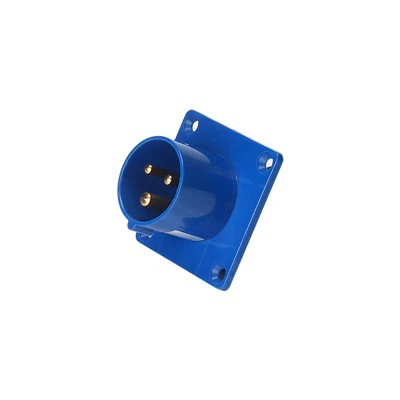
Hey there! As an Industrial Multiple Socket supplier, I often get asked this burning question: Are industrial multiple sockets compatible with all types of plugs? It's a crucial thing to know, especially if you're running an industrial operation or just looking to sort out your plug - socket situation. Let's dig into this topic and find out the answers.
The Basics of Compatibility
First off, it's important to understand that industrial multiple sockets are designed to be workhorses. They're built tough to handle high - power loads and are a staple in factories, workshops, and other industrial settings. But, unfortunately, they aren't a one - size - fits - all solution when it comes to plug compatibility.
You see, plugs come in all shapes and sizes around the world. Different countries have their own standards for electrical plugs and sockets. For example, in North America, the standard household plug has two flat prongs and sometimes a round grounding pin. In the UK, they use a large, rectangular plug with three rectangular pins. And in Europe, there are several different types, like the two - pin Europlug and the Schuko plug with two round pins and grounding clips.
Industrial multiple sockets are usually designed to follow a specific set of standards. These standards determine things like the shape of the plug holes, the voltage and current ratings, and the grounding requirements. So, a socket made to the North American standard won't work with a UK plug, and vice versa.
Factors Affecting Compatibility
Physical Design
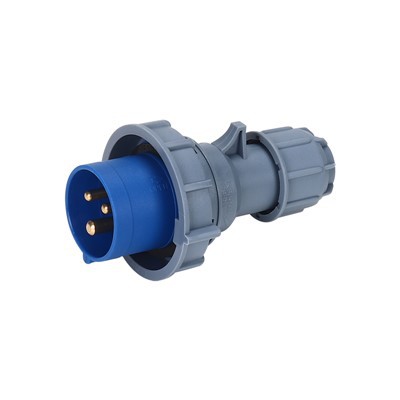
The physical shape of the plug and the socket is the most obvious factor. If the plug doesn't fit into the socket holes, well, it's just not going to work. Industrial multiple sockets are made with specific hole configurations to match certain plug types. For instance, a 3 Way Industrial Plug is designed to fit into a socket that has the corresponding slots for its three pins.
Electrical Ratings
Voltage and current ratings are super important. Industrial equipment can draw a lot of power, so the sockets need to be able to handle it. If you try to plug a high - power device into a socket with a lower current rating, it can lead to overheating, short circuits, and even fires. Similarly, if the voltage of the device doesn't match the voltage of the socket, it could damage the equipment.
Grounding
Grounding is a safety feature that helps protect against electrical shocks. Industrial multiple sockets usually have a grounding system in place. The plug needs to be compatible with this grounding mechanism. If the plug doesn't have a grounding pin or if the socket's grounding system can't accommodate the plug's design, it can be a major safety hazard.
Types of Industrial Multiple Sockets and Their Compatibility
There are different types of industrial multiple sockets, each with its own level of compatibility.
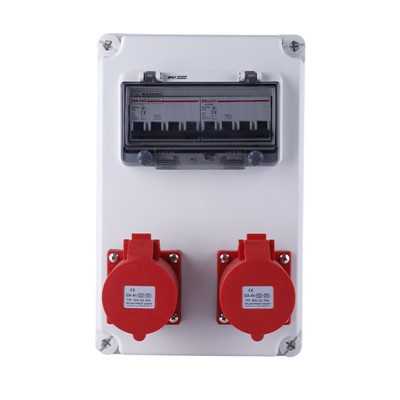
Industrial Multi Socket Plug
These are a bit more flexible in terms of the number of plugs they can accommodate. They can have multiple outlets, allowing you to plug in several devices at once. But still, they are designed to work with specific plug types. You can usually find ones that are compatible with common industrial plugs in your region, but they won't work globally without an adapter.
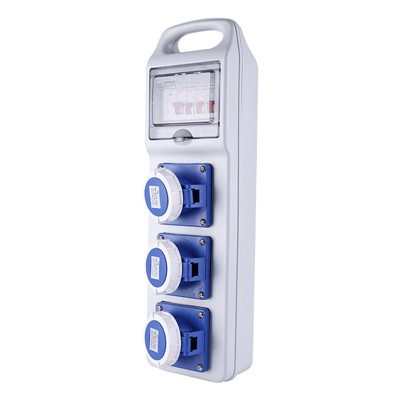
IP44 Electrical Multi - outlets
These are designed to be more resistant to dust and water, making them suitable for outdoor or harsh industrial environments. They also follow specific plug compatibility standards. The IP44 rating indicates a certain level of protection, but it doesn't mean they can accept any type of plug.


Solutions for Incompatibility
Adapters
One of the simplest solutions for plug - socket incompatibility is to use an adapter. Adapters are devices that allow you to connect a plug of one type to a socket of another type. However, it's important to note that adapters should only be used if they are rated to handle the electrical load of your device. Using an improper adapter can be dangerous.
Custom - Built Sockets
For industrial operations that use a lot of non - standard equipment or equipment from different countries, custom - built industrial multiple sockets might be the way to go. You can work with a supplier (like me!) to design a socket that meets the specific needs of your plugs and equipment.
Standardization
In some cases, it might be more practical to standardize your equipment to use a single type of plug. This can reduce the need for adapters and custom sockets. However, this can be a costly and time - consuming process, especially if you have a lot of existing equipment.
Why Compatibility Matters
Safety
As mentioned earlier, using an incompatible plug - socket combination can lead to electrical hazards. Overheating can cause insulation to melt, which can then lead to short circuits and fires. Also, improper grounding can result in electrical shocks to workers, which is extremely dangerous.
Efficiency
When your plugs and sockets are compatible, your electrical equipment can operate at its best. Incompatible connections can cause power losses, which can lead to higher energy costs and decreased performance of your machinery.
Conclusion
So, to answer the question, industrial multiple sockets are definitely not compatible with all types of plugs. There are too many variables in terms of physical design, electrical ratings, and grounding requirements. But don't worry! There are solutions available to deal with these compatibility issues.
If you're in the market for Industrial Multiple Socket and need help figuring out the right ones for your plugs and equipment, feel free to reach out. Whether it's a standard socket or a custom - built one, I can assist you in finding the perfect solution for your industrial needs. Contact me to start the procurement and discussion process!
References
- Electrical Safety Standards Handbook
- International Electrotechnical Commission (IEC) Publications
- Local Electrical Codes and Regulations