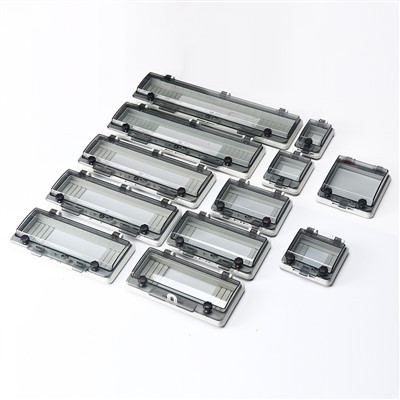
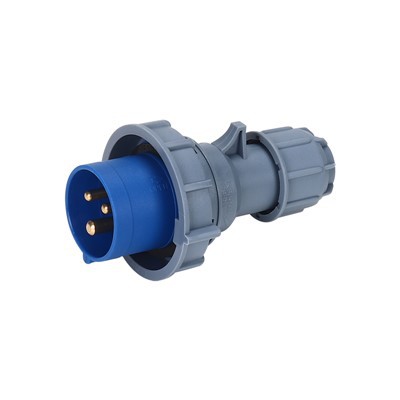
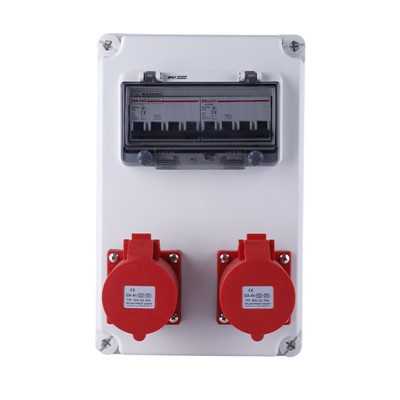
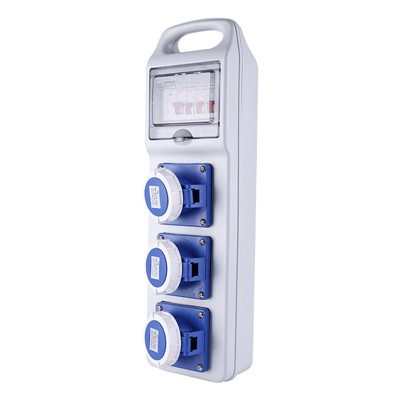
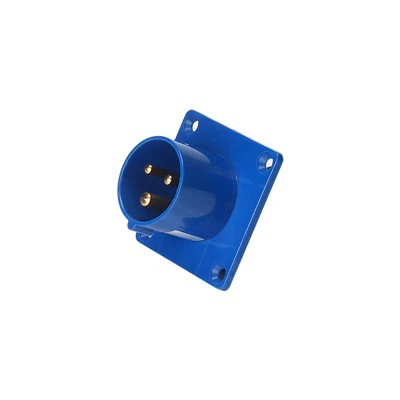
Hey there! As a supplier of MCB Protection Cover, I often get asked about safety standards for these covers. So, let's dig into this topic and see what's up.
First off, what exactly is an MCB protection cover? Well, it's a crucial component that shields your Miniature Circuit Breakers (MCBs). MCBs are like the guardians of your electrical circuits. They trip when there's an overload or a short - circuit, preventing potential electrical fires and other hazards. And the protection cover adds an extra layer of safety.
Now, are there safety standards for MCB protection covers? You bet there are! These standards are put in place to ensure that the covers do their job effectively and keep you, your property, and your electrical systems safe.
One of the most well - known safety standards is set by the International Electrotechnical Commission (IEC). The IEC standards are recognized globally and cover a wide range of electrical products, including MCB protection covers. For example, IEC 60947 is a standard that pertains to low - voltage switchgear and controlgear. Since MCBs and their protection covers fall under this category, they have to meet certain requirements specified in this standard.
These requirements are all about functionality, durability, and safety. In terms of functionality, the cover should allow easy access to the MCB for operation and maintenance. You don't want a cover that's so hard to open that you end up damaging it just to check on the MCB. Durability is also key. The cover should be able to withstand the environmental conditions it's exposed to. Whether it's high humidity, extreme temperatures, or physical impacts, the cover needs to hold up.
Safety features are perhaps the most important part of these standards. The cover should be made of a non - conductive material. That means it won't conduct electricity, reducing the risk of electric shock if someone accidentally touches the cover while the MCB is live. Additionally, it should have good insulation properties to prevent any leakage of electrical current.
Another important aspect is the flammability rating. The cover should have a low flammability rating, meaning it won't easily catch fire. In case of an electrical fault that generates a lot of heat, a non - flammable cover can prevent the fire from spreading.


In the United States, the National Electrical Code (NEC) also has standards related to MCB protection covers. The NEC is updated regularly to keep up with the latest technological advancements and safety risks in the electrical industry. It specifies requirements for the installation and use of electrical equipment, including MCBs and their covers. For example, it may require that the cover be properly grounded to prevent static electricity build - up and reduce the risk of electrical discharge.
European countries follow their own set of standards, such as the British Standards (BS) and the European Norms (EN). These standards are similar to the IEC standards but may have some minor differences based on local requirements and regulations. For instance, some European standards may have more stringent requirements for the protection against dust and water ingress, especially for MCB protection covers used in industrial settings.
As a supplier, we make sure that all our MCB Protection Covers meet these international and often local safety standards. We use high - quality materials in the manufacturing process. For example, we prefer using Polycarbonate, which is a strong, lightweight, and non - conductive plastic. It has excellent insulation properties and a high resistance to heat and impact, making it an ideal material for MCB protection covers.
We also conduct rigorous testing on our products. We simulate different environmental conditions, like high and low temperatures, high humidity, and physical impacts, to ensure that the covers can withstand them. Our testing labs are equipped with the latest equipment to measure parameters such as insulation resistance, flammability, and mechanical strength.
We understand that safety is a top priority for our customers. Whether it's a small residential project or a large industrial complex, using compliant MCB protection covers is essential. When you choose our products, you can be confident that you're getting a high - quality cover that meets all the necessary safety standards.
But why are these safety standards so important? Well, for starters, using non - compliant MCB protection covers can pose a serious safety risk. A cover that doesn't have proper insulation can lead to electrical leakage, which in turn can cause electric shocks. If the cover is easily flammable, a small electrical spark can turn into a major fire. And in a commercial or industrial setting, the consequences can be even more severe, including property damage, business interruption, and even loss of life.
Moreover, in many regions, using electrical equipment that doesn't meet safety standards is illegal. You could face hefty fines or even legal action if you're found using non - compliant MCB protection covers.
So, if you're in the market for MCB protection covers, make sure you choose a supplier who understands the importance of safety standards. And that's where we come in! We're committed to providing you with products that not only meet but often exceed the safety requirements.
We're always happy to have discussions with our potential customers about their specific needs. Whether you need a large quantity of covers for an ongoing project or just a few for a home improvement job, we can help. Our team of experts can offer advice on the best type of cover for your situation, taking into account factors like the environment, the type of MCB, and your budget.
If you're interested in learning more about our MCB Protection Covers or have any questions regarding safety standards, don't hesitate to reach out. We're eager to have a chat and see how we can assist you in making the right choice for your electrical safety. Contact us today to start the conversation and let's work together to keep your electrical systems safe.
References:
- International Electrotechnical Commission (IEC) standards
- National Electrical Code (NEC)
- British Standards (BS)
- European Norms (EN)