When embarking on a new construction project, one crucial yet often overlooked aspect is the selection of a suitable socket box. As a socket box supplier, I understand the intricacies involved in choosing the right product to meet the diverse needs of a construction site. In this blog, I will guide you through the key considerations when selecting a socket box for your new construction project.
Understanding Your Power Requirements
The first step in choosing a socket box is to understand the power requirements of your project. Different construction sites have varying power needs depending on the type of equipment and tools used. For example, a large - scale industrial construction project may require high - power socket boxes to support heavy machinery such as cranes, welders, and large compressors. On the other hand, a smaller residential construction project may only need standard socket boxes for powering basic tools like drills, saws, and lights.
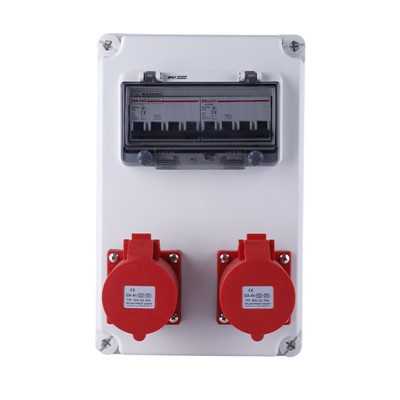
To accurately determine your power requirements, make a list of all the electrical equipment that will be used on the site. Note down the power rating (in watts or amps) of each device. Calculate the total power demand by adding up the power ratings of all the equipment. This total will help you choose a socket box with an appropriate current - carrying capacity. For instance, if your total power demand is high, you may need a socket box with multiple high - amp sockets or a special - purpose socket box designed for heavy - duty use, such as the Industrial Combination Socket Box.
Safety Features
Safety is of utmost importance when it comes to electrical installations in a construction environment. A good socket box should be equipped with several safety features to protect workers and prevent electrical accidents.
Protection Against Electrical Shock
Look for socket boxes with built - in ground fault circuit interrupters (GFCI). GFCIs are designed to quickly shut off the power when they detect a ground fault, which can occur if a person comes into contact with an energized conductor. This significantly reduces the risk of electrical shock.
Fire Resistance
The materials used in the construction of the socket box should be fire - resistant. In a construction site where there are various potential ignition sources, such as welding sparks or cutting equipment, a fire - resistant socket box can prevent the spread of fire in case of an electrical malfunction.


Dust and Water Resistance
Construction sites are often dirty and exposed to the elements. A socket box with a high degree of dust and water protection (IP rating) is essential. For example, an IP67 - rated socket box is dust - tight and can be submerged in water for a short period without being damaged. This ensures the safety and longevity of the socket box and the electrical connections within.
Durability and Quality
Construction sites can be harsh environments, with heavy machinery, rough handling, and exposure to various elements. Therefore, the socket box you choose must be durable and of high quality.
Robust Construction
The socket box should be made of sturdy materials that can withstand impacts, vibrations, and mechanical stress. Metal or high - strength plastic materials are commonly used for this purpose. A well - constructed socket box will not crack or break easily, even when subjected to accidental knocks or drops.
Long - Lasting Components
The internal components of the socket box, such as the sockets, switches, and wiring, should also be of high quality. Good - quality components are less likely to malfunction or fail over time. This reduces the need for frequent repairs and replacements, saving you time and money in the long run.
Compatibility and Flexibility
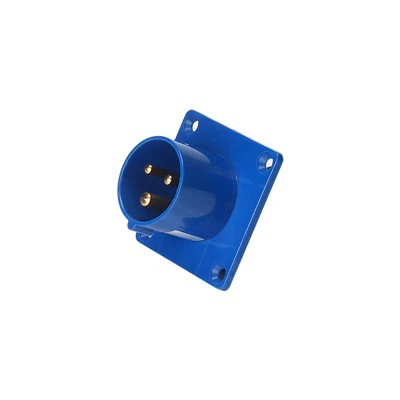
Your socket box should be compatible with the electrical systems and standards in your region. Different countries have different electrical codes and regulations regarding socket types, voltages, and frequencies. Make sure the socket box you choose complies with these requirements to ensure a safe and legal installation.
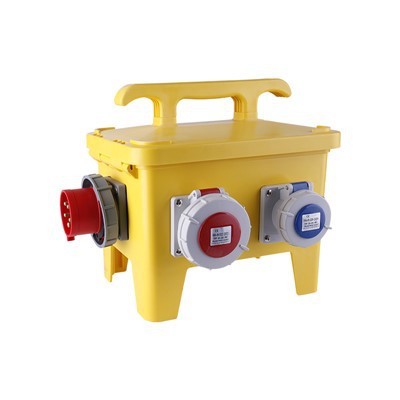
In addition, consider the flexibility of the socket box. For example, if you anticipate future expansion or changes in your power needs, choose a socket box that allows for easy addition of sockets or connection to other electrical devices. A Portable Combined Socket Box can be a great option as it offers flexibility in terms of placement and can be easily moved around the construction site as needed.
Type of Socket Box
There are several types of socket boxes available, each designed for specific applications.
Industrial Combination Socket Box
The Industrial Combination Socket Box is ideal for large - scale industrial construction projects. It usually comes with multiple sockets of different types and ratings, allowing you to connect various types of equipment simultaneously. These socket boxes are designed to handle high power loads and are built to be extremely durable.
Industrial Extension Socket
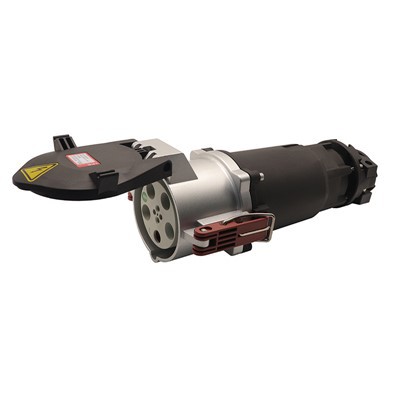
An Industrial Extension Socket is a convenient option when you need to extend the reach of your electrical power. It can be easily connected to a main power source and provides additional sockets at a distance. This is useful for powering tools and equipment that are located far from the main electrical panel.
Mobile Power Box
The Mobile Power Box is a portable and self - contained power solution. It is often equipped with a battery or a generator, allowing you to have a power source even in areas where there is no access to the main electrical grid. This is particularly useful for construction sites in remote locations.
Portable Combined Socket Box
As mentioned earlier, the Portable Combined Socket Box offers a combination of portability and functionality. It is lightweight and easy to carry around the site, making it suitable for small - to - medium - sized construction projects or for use in areas where power needs to be quickly re - configured.
Cost - effectiveness
While it's important to invest in a high - quality socket box, you also need to consider the cost - effectiveness of your choice. Compare the prices of different socket boxes from various suppliers, but don't make your decision based solely on price. Consider the features, durability, and safety aspects of the socket box as well. A slightly more expensive socket box that offers better performance and safety features may save you money in the long run by reducing the risk of electrical accidents and the need for frequent replacements.
Conclusion
Choosing the right socket box for a new construction project is a critical decision that requires careful consideration of power requirements, safety features, durability, compatibility, type of socket box, and cost - effectiveness. As a socket box supplier, I am committed to providing high - quality products that meet the diverse needs of construction projects.
If you are in the process of planning a new construction project and need assistance in choosing the right socket box, I encourage you to reach out for a detailed consultation and procurement discussion. Our team of experts is ready to help you make the best choice for your specific requirements.
References
- Electrical Safety Standards Handbook
- Construction Equipment Power Requirements Guide
- Socket Box Manufacturer's Product Catalogs