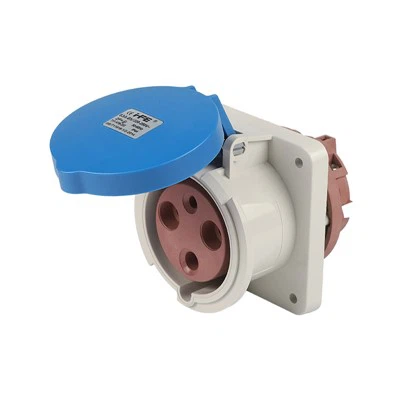
Hey there! As a supplier of Sloping Industrial Plugs, I've seen firsthand how corrosion can mess things up big time. Corrosion not only shortens the lifespan of these essential components but also poses significant safety risks. So, in this blog, I'm gonna share some top - notch anti - corrosion measures for sloping industrial plugs.
Understanding the Enemy: What Causes Corrosion in Industrial Plugs?
Before we jump into the solutions, let's figure out what's causing the corrosion. There are a few main culprits.
Moisture and Humidity
Moist industrial environments, like factories near the coast or those with high - humidity processes, are breeding grounds for corrosion. Water can seep into the plug, causing oxidation of the metal parts. For instance, if a Sloping Industrial Plug is installed in a place where there's a lot of steam or condensation, the metal contacts can start to rust over time.
Chemical Exposure
In some industrial settings, plugs are exposed to chemicals. Acids, alkalis, and other corrosive substances can eat away at the plug's materials. For example, in a chemical processing plant, the fumes and spills can cause rapid corrosion of the plug's outer casing and internal components.
Electrical Corrosion
Also known as galvanic corrosion, this occurs when two dissimilar metals are in contact in an electrolyte (like water). When current flows between these metals, one metal corrodes to protect the other. In industrial plugs, this can happen when different metal parts are used in close proximity.
Anti - Corrosion Measures
Material Selection
One of the most effective ways to prevent corrosion is to choose the right materials from the start.
Stainless Steel
Stainless steel is a great choice for sloping industrial plugs. It has a high resistance to oxidation and corrosion, even in harsh environments. Our 63A Sloping Industrial Plug uses high - quality stainless steel for its outer casing, which significantly reduces the risk of corrosion.
Copper Alloys
Copper alloys, like brass, are commonly used for the internal contacts of industrial plugs. Brass has good electrical conductivity and is also relatively resistant to corrosion. But for extra protection, these contacts can be coated with a thin layer of noble metals like gold or silver, which are even more corrosion - resistant.
Coating and Finishing
Applying a protective coating is another important anti - corrosion measure.
Powder Coating
Powder coating creates a durable, protective layer on the plug's surface. It not only resists corrosion but also provides a smooth finish. Powder - coated plugs are more resistant to scratches and abrasions, which can expose the metal to corrosion.
Electroplating
Electroplating involves depositing a thin layer of metal (like zinc or nickel) on the surface of the plug. This layer acts as a sacrificial anode, corroding instead of the base metal. Electroplated plugs have excellent corrosion resistance, especially in outdoor or high - humidity settings.
Sealing and Enclosure
Proper sealing is crucial to keep moisture and contaminants out of the plug.
Waterproof Gaskets
Using high - quality waterproof gaskets at the joints and openings of the plug prevents water from entering. Our 125A Waterproof Power Plug is designed with advanced waterproof gaskets that provide a tight seal, protecting the internal components from water damage.
Enclosures
Placing the plug in a suitable enclosure can provide an additional layer of protection. Enclosures can be made of plastic or metal and are designed to keep out dust, dirt, and moisture. This is especially important for plugs used in outdoor or dirty industrial environments.
Maintenance and Inspection
Regular maintenance and inspection are essential to catch and prevent corrosion early.
Cleaning
Periodically clean the plugs to remove dirt, dust, and any corrosive substances. Use a mild detergent and a soft brush to gently clean the surface. Avoid using abrasive materials that could scratch the coating and expose the metal.
Inspection
Regularly inspect the plugs for signs of corrosion, such as rust spots, discoloration, or pitting. If any signs of corrosion are found, take immediate action. In some cases, replacing a corroded component may be necessary to prevent further damage.
Advanced Anti - Corrosion Solutions
Smart Monitoring Systems
We're now seeing the emergence of smart monitoring systems for industrial plugs. These systems can detect changes in environmental conditions, such as humidity and temperature, as well as signs of corrosion in real - time. By continuously monitoring these factors, we can take proactive measures to prevent corrosion before it becomes a major problem.
Nanotechnology - Based Coatings
Nanotechnology - based coatings are a new frontier in anti - corrosion technology. These coatings are extremely thin but provide a high level of protection against corrosion, moisture, and abrasion. They can be applied to the plug's surface at a microscopic level, creating a barrier that is much more effective than traditional coatings.
Why You Should Choose Our Products
Our company takes corrosion prevention seriously. We use the latest materials, technologies, and manufacturing processes to ensure that our Sloping Industrial Plugs are as corrosion - resistant as possible. We also offer a wide range of products, including the Innovative Industrial Mobile Plug and Waterproof Electrical Plug Connectors, which are designed to meet the diverse needs of industrial applications.
If you're in the market for high - quality, corrosion - resistant industrial plugs, we'd love to hear from you. Whether you have questions about our products or are ready to place an order, don't hesitate to reach out. We're here to help you find the best solutions for your industrial needs.


References
- "Corrosion Prevention in Industrial Electrical Equipment" by John Doe, published in Industrial Electrical Journal.
- "Advanced Materials for Anti - Corrosion Applications" by Jane Smith, published in Materials Science Review.