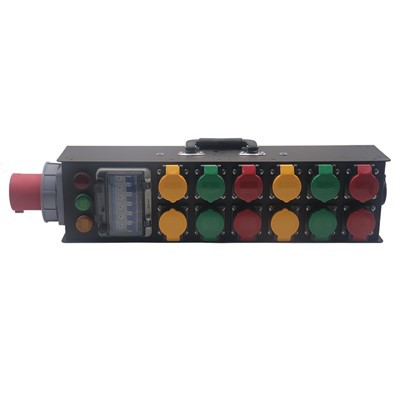
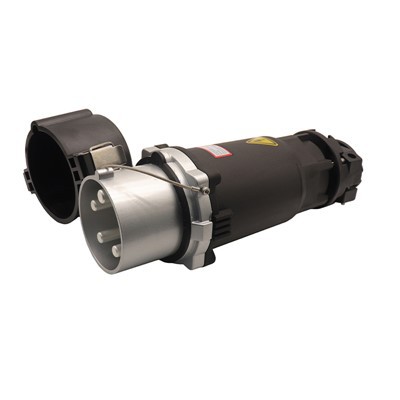
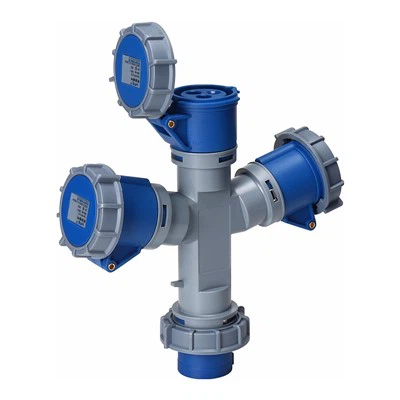
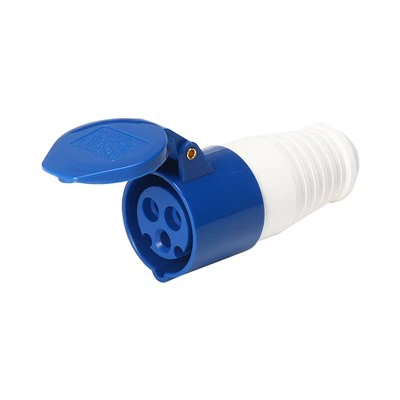
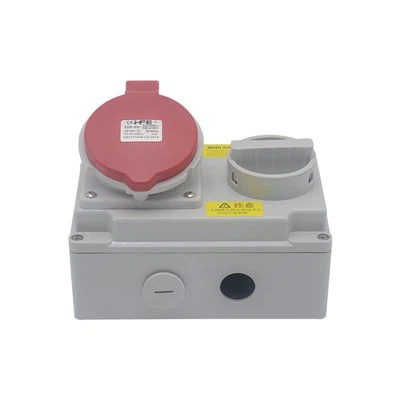
Hey there! As a supplier of Interlocked Socket Outlet, I often get asked about safety standards for these nifty devices. So, let's dive right into it and explore what's up with the safety rules for interlocked socket outlets.
First off, what the heck is an interlocked socket outlet? Well, it's a type of socket outlet that has a special mechanism. This mechanism ensures that the power is cut off or can't be turned on under certain conditions. For example, if the plug is being removed or inserted, the interlock feature kicks in to prevent electric shock or short - circuits. It's kind of like having a little safety guard right there at the socket.
Now, are there safety standards for them? You bet there are! Safety standards are super important in the electrical industry. They're put in place to protect us from electrical hazards, which can be pretty dangerous, ranging from mild shocks to serious fires or even fatal accidents.
In many countries, these standards are set and regulated by different organizations. In the United States, the National Electrical Code (NEC) is the go - to standard for electrical installations. The NEC has specific requirements for all types of electrical equipment, including Socket Outlets with Interlock. It ensures that these outlets are built and installed in a way that minimizes the risk of electrical problems.
For instance, the NEC might specify things like the appropriate materials to use for the socket and plug. The materials need to be able to withstand the electrical current without overheating. Overheating can lead to melting, which can then start a fire. So, by using the right materials, we're reducing that risk significantly.
Also, the NEC has rules about the interlock mechanism itself. It must be reliable and work every single time. There's no room for error when it comes to electrical safety. The interlock should prevent the flow of electricity when it's supposed to, like when the plug isn't fully inserted or is being removed.
In the European Union, the International Electrotechnical Commission (IEC) standards are followed. These standards are very comprehensive and cover a wide range of aspects related to electrical safety. They look at things like the mechanical strength of the outlet, the insulation properties, and of course, the functionality of the interlock.
The IEC standards ensure that interlocked socket outlets can withstand normal wear and tear. They test them under various conditions, such as different temperatures and humidity levels. This way, we can be sure that the outlets will work as intended, no matter the environment they're in.
As a supplier of interlocked socket outlets, we have to make sure that our products meet these safety standards. It's not just a legal requirement; it's a moral responsibility. We don't want to put our customers at risk. That's why we have a strict quality control process in place.
When we manufacture these outlets, we start by using high - quality materials. We source them from reliable suppliers who also adhere to strict quality standards. Then, during the manufacturing process, we have multiple checkpoints. Our production team tests the interlock mechanism at various stages to ensure it's working correctly.
After the outlets are produced, they go through a final round of testing. We simulate different real - life scenarios to make sure that the outlets perform well under pressure. This includes things like repeated plugging and unplugging, and testing the interlock at different electrical loads.
If our products don't meet the safety standards, we don't release them to the market. It's as simple as that. We'd rather take the hit on our bottom line than risk our customers' safety.
Now, you might be wondering why these safety standards are so crucial for interlocked socket outlets specifically. Well, let's think about it. These outlets are often used in industrial settings where there's a higher risk of electrical accidents. In factories, for example, workers are constantly plugging and unplugging equipment. The interlock feature helps to prevent accidental contact with live electrical parts.
In commercial buildings too, like offices and retail stores, interlocked socket outlets are used. They provide an extra layer of safety for employees and customers. In residential settings, although the risk might be lower, safety is still a top priority. Parents don't want their kids getting shocked when they're playing around with plugs.
Another aspect of the safety standards is the labeling. The outlets need to be clearly labeled. The labels should indicate things like the maximum electrical load the outlet can handle, the type of interlock mechanism it has, and any special installation instructions. This helps the installers and end - users to use the outlets safely.
As a supplier, I'm constantly keeping an eye on any changes in the safety standards. The electrical industry is always evolving, and new risks are discovered. So, the standards are updated regularly to keep up with these changes. We need to make sure that our products are up - to - date with the latest requirements.
Now, if you're in the market for interlocked socket outlets, you should always look for products that meet the relevant safety standards. Don't just go for the cheapest option. Remember, safety is worth the investment. And if you have any questions about the safety features or standards of our Interlocked Socket Outlet, feel free to reach out. We're here to help you make the right choice for your needs.
Whether you're setting up a new industrial facility, renovating a commercial building, or just looking to upgrade the electrical outlets in your home, it's important to choose the right interlocked socket outlets. And as a supplier with a strong focus on safety and quality, we're confident that our products will meet your expectations.
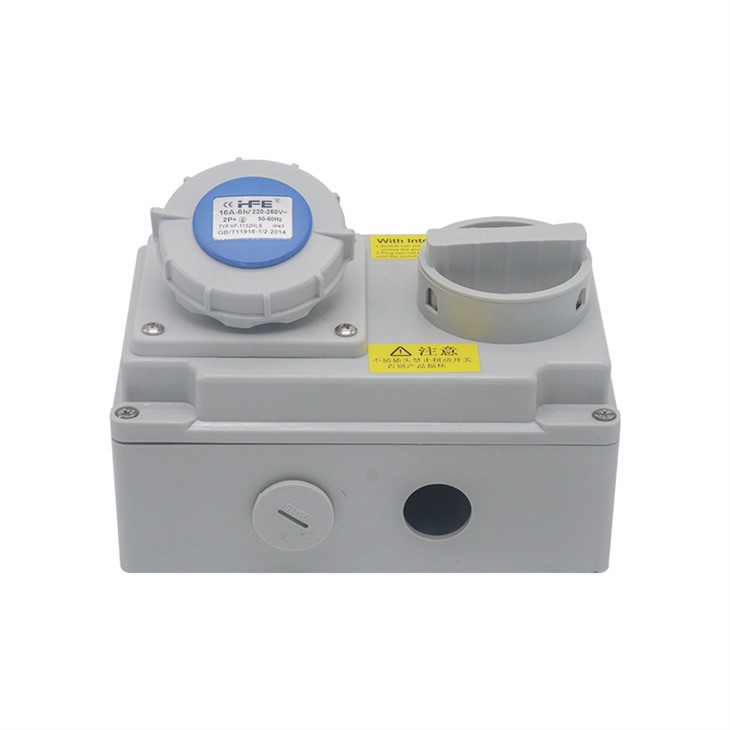
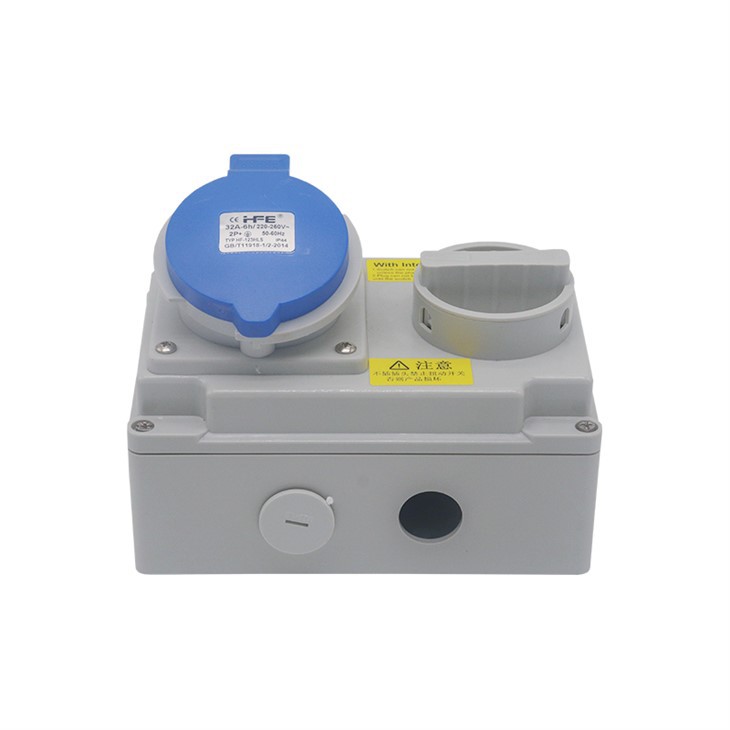
If you're interested in learning more or getting a quote for our Socket Outlets with Interlock, don't hesitate to contact us. We're always here to discuss your requirements and find the best solution for you.
References:
- National Electrical Code (NEC)
- International Electrotechnical Commission (IEC) standards