Do industrial plugs require any special training to use?
Hey there, folks! I'm an industrial plug supplier, and I often get asked this question: Do industrial plugs require any special training to use? Well, let's dive right into it.
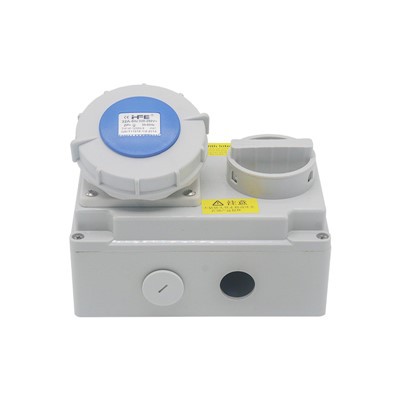
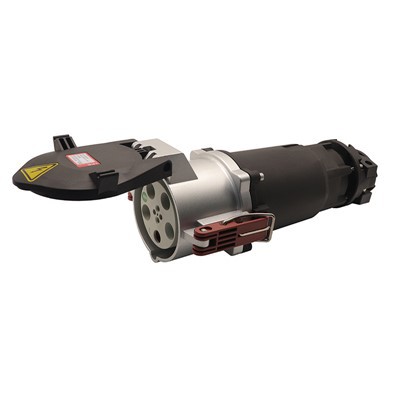
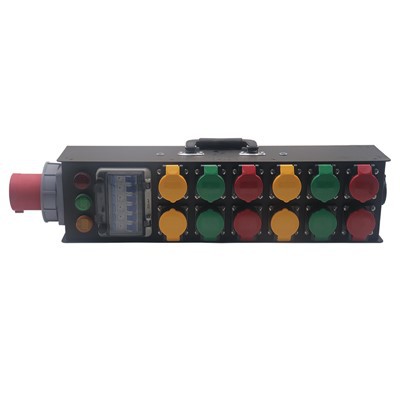
First things first, industrial plugs are a lot different from the regular plugs you use at home. You know, those small ones you plug your phone charger or lamp into. Industrial plugs are designed for heavy - duty use, and they handle much higher voltages and currents. For example, our Industrial Electrical Plugs 16A 32A are built to power big machines in factories, construction sites, and other industrial settings.


When it comes to using these industrial plugs, safety is the number one concern. And that's where special training might come in handy. You see, working with high - voltage electricity can be extremely dangerous. A small mistake can lead to electric shocks, fires, or even explosions. So, if you're going to be the one inserting or removing an industrial plug, it's crucial to understand the risks involved.
Let's talk about some of the basic knowledge you need to have. First, you need to know how to properly identify the type of plug you're dealing with. There are different ratings for industrial plugs, like the 16A CEE Industrial Plug and 16A Industrial Plugs. Each rating indicates the maximum amount of current the plug can safely carry. Using a plug with the wrong rating can cause overheating and damage to the equipment or, even worse, create a safety hazard.
Another important thing is to know how to inspect the plug before use. You need to check for any signs of damage, such as cracks in the casing, frayed wires, or loose pins. For instance, our IP44 Industrial Male Plug and IP67 Industrial Electric Plug are designed to be durable, but they can still get damaged over time or due to rough handling. If you use a damaged plug, it can lead to short - circuits and other electrical problems.
Now, let's get to the question of whether special training is really required. In some cases, it's absolutely necessary. For example, in a large industrial facility, workers who are responsible for operating and maintaining electrical equipment are usually required to undergo formal electrical safety training. This training covers not only how to use industrial plugs correctly but also other important aspects of electrical safety, like how to read electrical diagrams, how to use personal protective equipment (PPE), and what to do in case of an electrical emergency.
But what about smaller businesses or DIY enthusiasts? Well, it might not be as strict, but it's still a good idea to have some basic knowledge. You can find a lot of resources online that can teach you the basics of using industrial plugs safely. However, if you're not confident in your abilities, it's always best to hire a professional electrician.
One of the things that makes industrial plugs a bit tricky is the environment in which they're used. Industrial settings can be harsh, with dust, moisture, and vibrations. That's why we have plugs like the IP44 and IP67 rated ones. The IP (Ingress Protection) rating tells you how well the plug is protected against solid objects and water. A higher IP rating means better protection. So, you need to understand which type of plug is suitable for the specific environment you're working in.
Let's take a construction site as an example. There's a lot of dust and the possibility of the plugs getting wet from rain or sprinklers. In this case, a plug with a high IP rating like the IP67 Industrial Electric Plug would be a good choice. Using the wrong plug in this environment can lead to electrical failures and safety issues.
In addition to safety, proper training can also help you get the most out of your industrial plugs. For example, if you know how to insert and remove the plug correctly, you can avoid damaging the pins and the socket. This can extend the lifespan of the plug and save you money in the long run.
So, to sum it up, while it might not always be mandatory to have special training to use industrial plugs, it's definitely beneficial. It can enhance your safety, prevent equipment damage, and ensure that your industrial electrical systems run smoothly.
If you're in the market for high - quality industrial plugs, we've got you covered. We offer a wide range of industrial plugs, including the ones I've mentioned above. Whether you need a 16A plug for a small machine or a 32A plug for a heavy - duty application, we have the right product for you. And if you have any questions about using our industrial plugs or need more information, don't hesitate to reach out to us. We're here to help you make the right choice and ensure that you use our products safely and effectively. Contact us to start a procurement discussion and find the best industrial plug solutions for your needs.
References
- Electrical Safety Standards and Guidelines. National Electrical Code (NEC)
- Manufacturer's Manuals for Industrial Plugs