In the dynamic landscape of industrial settings, the efficient management of cables for industrial connectors is not just a matter of organization; it's a critical factor that impacts safety, performance, and overall productivity. As an established industrial connector supplier, I understand the challenges that industries face when it comes to cable management. In this blog, I will explore various cable management solutions for industrial connectors, highlighting their importance and how they can be effectively implemented.
The Importance of Cable Management
Before delving into the solutions, it's essential to understand why cable management is crucial in industrial environments. Firstly, proper cable management enhances safety. In industrial settings, loose or unorganized cables can pose tripping hazards, leading to workplace accidents. Additionally, cables that are not properly secured can be damaged, which may result in electrical shorts, fires, or other safety risks.
Secondly, efficient cable management improves system performance. When cables are neatly organized, it becomes easier to identify and troubleshoot issues. This reduces downtime and maintenance costs, as technicians can quickly locate and replace faulty cables or connectors. Moreover, organized cables are less likely to experience interference, which can degrade signal quality and affect the performance of industrial equipment.
Finally, cable management contributes to the longevity of industrial connectors. By preventing cables from being bent, twisted, or crushed, proper management helps to extend the lifespan of connectors, reducing the need for frequent replacements and saving on costs in the long run.
Cable Management Solutions
Cable Trays
Cable trays are one of the most common cable management solutions in industrial settings. These are open or enclosed metal or plastic structures that provide a pathway for cables. They come in various sizes and configurations, allowing for the routing of multiple cables in a single tray. Cable trays can be installed on walls, ceilings, or floors, depending on the specific requirements of the industrial facility.
One of the advantages of cable trays is their flexibility. They can be easily modified or extended to accommodate changes in the cable layout. Additionally, cable trays provide good ventilation for cables, which helps to prevent overheating and extends the lifespan of the cables. However, it's important to ensure that cable trays are properly installed and secured to prevent them from sagging or collapsing under the weight of the cables.
Cable Conduits
Cable conduits are another popular cable management solution. These are tubes made of metal, plastic, or fiberglass that protect cables from physical damage, moisture, and other environmental factors. Cable conduits can be rigid or flexible, depending on the application. Rigid conduits are typically used for permanent installations, while flexible conduits are more suitable for applications where cables need to be routed around obstacles.
The main advantage of cable conduits is their ability to provide a high level of protection for cables. They can prevent cables from being damaged by sharp objects, chemicals, or extreme temperatures. Additionally, cable conduits can help to reduce electromagnetic interference (EMI) and radio frequency interference (RFI), which can improve the signal quality of industrial equipment. However, cable conduits can be more expensive than cable trays, and they require more labor to install.
Cable Ties and Clips
Cable ties and clips are simple yet effective cable management solutions. Cable ties are used to bundle cables together, while cable clips are used to secure cables to a surface. These products come in various sizes and materials, such as nylon, stainless steel, and plastic.
Cable ties and clips are easy to use and inexpensive, making them a popular choice for small-scale cable management projects. They can help to keep cables organized and prevent them from tangling. However, it's important to use the right type and size of cable ties and clips to ensure that they can securely hold the cables without causing damage.
Cable Marking
Cable marking is an often overlooked but essential cable management solution. By labeling cables with clear and concise information, such as the cable type, destination, and function, it becomes easier to identify and trace cables. This can save time and effort during maintenance and troubleshooting.
Cable marking can be done using various methods, such as printed labels, heat-shrink sleeves, or engraved tags. It's important to use durable and legible marking materials to ensure that the labels remain visible and intact over time.
Choosing the Right Cable Management Solution
When choosing a cable management solution for industrial connectors, several factors need to be considered. Firstly, the type and number of cables need to be taken into account. Different types of cables have different requirements in terms of protection, ventilation, and routing. For example, high-voltage cables may require more robust protection than low-voltage cables.
Secondly, the environment in which the cables will be installed is an important consideration. Industrial settings can be harsh, with exposure to dust, moisture, chemicals, and extreme temperatures. The cable management solution needs to be able to withstand these environmental conditions and provide adequate protection for the cables.
Thirdly, the future expansion and modification plans of the industrial facility need to be considered. The cable management solution should be flexible and easy to modify to accommodate changes in the cable layout.


Our Industrial Connectors and Their Compatibility with Cable Management Solutions
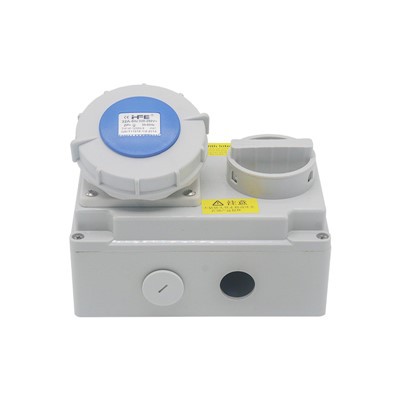
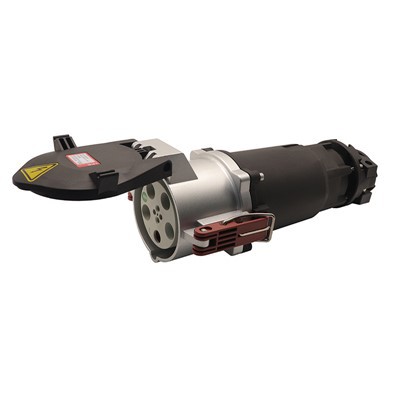
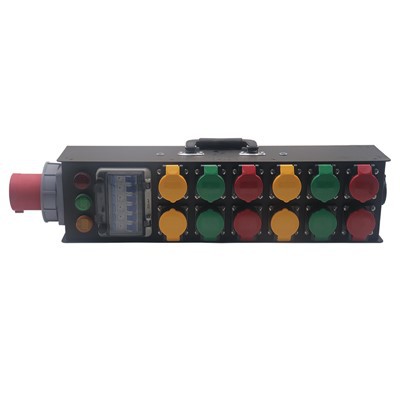
As an industrial connector supplier, we offer a wide range of connectors, including IP67 Electrical Industrial Connectors, IP44 Electrical Industrial Connectors, IP67 Industrial Connector, IP44 Industrial Connector, and Industrial Socket and Connector. These connectors are designed to meet the highest standards of quality and performance, and they are compatible with various cable management solutions.
Our IP67-rated connectors, for example, are dust-tight and waterproof, making them suitable for use in harsh environments. They can be easily integrated with cable trays, conduits, and other cable management solutions to ensure proper cable routing and protection. Our IP44-rated connectors, on the other hand, provide protection against splashing water and solid objects, making them ideal for indoor industrial applications.
Conclusion
Effective cable management is essential for the safety, performance, and longevity of industrial connectors. By choosing the right cable management solutions, such as cable trays, conduits, ties, and clips, and by implementing proper cable marking, industries can improve their operations and reduce costs. As an industrial connector supplier, we are committed to providing high-quality connectors and helping our customers find the best cable management solutions for their needs.
If you are interested in learning more about our industrial connectors or cable management solutions, or if you have any questions or need assistance with your cable management project, please feel free to contact us for procurement and further discussions.
References
- "Industrial Cable Management Handbook," published by an industry expert in cable management
- Technical specifications and documentation provided by leading manufacturers of industrial connectors and cable management products