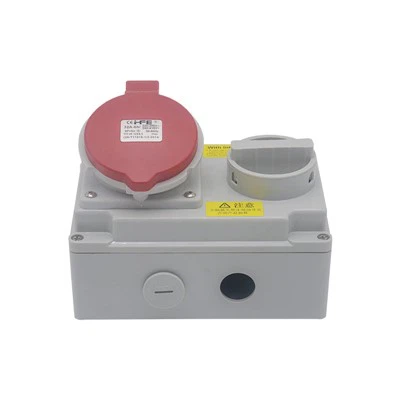
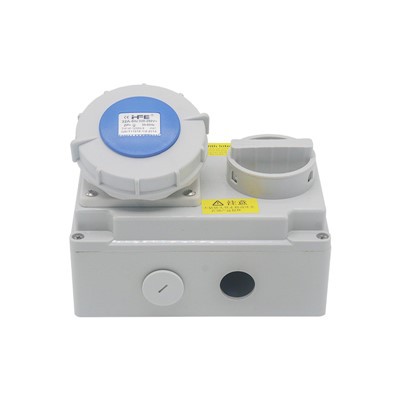
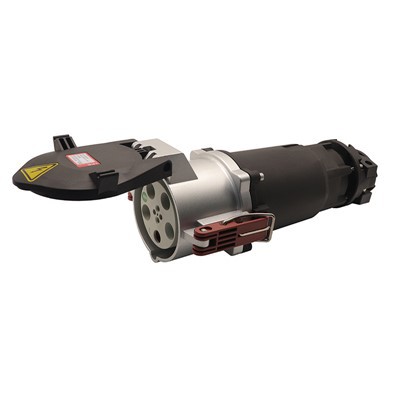
A sloping surface - mounted socket is a unique and practical electrical device that offers flexibility in installation and use. However, due to its installation on a sloping surface, it is exposed to certain risks that can lead to damage. As a supplier of sloping surface - mounted sockets, I understand the importance of protecting these products to ensure their long - term performance and safety for users. In this blog, I will share some effective ways to protect a sloping surface - mounted socket from damage.
1. Choose the Right Location for Installation
The first step in protecting a sloping surface - mounted socket is to select an appropriate installation location. Avoid areas that are prone to physical impact, such as close to walkways where people might accidentally bump into it or near machinery that could cause vibrations or direct hits.
When installing on an external sloping surface, pay attention to the direction of the slope. If possible, choose a location where the socket is not directly exposed to the flow of water during heavy rain or snowmelt. For example, if the slope is on a building facade, install the socket on a part of the slope that has some form of overhang or protection above it. This can prevent water from directly pouring onto the socket, reducing the risk of water damage.
Also, consider the environmental conditions of the area. If the location is in a dusty or dirty environment, try to find a spot that is less likely to accumulate dust and debris. A socket clogged with dust can overheat and cause electrical problems.
2. Use Protective Covers
One of the most straightforward ways to protect a sloping surface - mounted socket is by using protective covers. There are various types of covers available in the market, each designed to offer different levels of protection.
For indoor use, a simple plastic cover can prevent dust and small objects from entering the socket. These covers are usually easy to install and can be opened and closed when needed to plug in or unplug devices.
In outdoor settings, more robust covers are required. Waterproof covers are essential to protect the socket from rain, snow, and moisture. Some covers are designed with a tight - fitting seal that can keep water out even in harsh weather conditions. For example, our IP67 Concealed Socket comes with a high - quality waterproof cover that provides excellent protection against water and dust ingress.
3. Ensure Proper Installation
Proper installation is crucial for the long - term protection of a sloping surface - mounted socket. First, make sure that the surface is clean and dry before installation. Any dirt or moisture on the surface can affect the adhesion of the socket and lead to instability.
Use the correct mounting hardware for the sloping surface. Depending on the material of the surface (such as wood, concrete, or metal), different types of screws or anchors may be required. Ensure that the socket is firmly attached to the surface to prevent it from loosening over time due to vibrations or external forces.
During the installation process, pay attention to the wiring. Make sure that the wires are properly connected and insulated. Loose or exposed wires can cause short - circuits and pose a significant safety hazard. If you are not confident in your electrical installation skills, it is recommended to hire a professional electrician to install the socket.
4. Regular Maintenance
Regular maintenance is an important part of protecting a sloping surface - mounted socket. Inspect the socket periodically for any signs of damage, such as cracks in the housing, loose connections, or corrosion. If you notice any issues, address them immediately.
Clean the socket regularly to remove dust, dirt, and debris. For outdoor sockets, use a mild detergent and a soft cloth to clean the exterior. Avoid using abrasive materials that could scratch the surface of the socket.
Check the functionality of the protective cover. Make sure that it can open and close smoothly and that the seal is still intact. If the cover is damaged, replace it as soon as possible to maintain the protection of the socket.
5. Consider the Load Capacity
Overloading a sloping surface - mounted socket can lead to overheating and damage. Each socket has a specific load capacity, which is usually indicated on the product label. Make sure that the total power consumption of the devices plugged into the socket does not exceed this capacity.
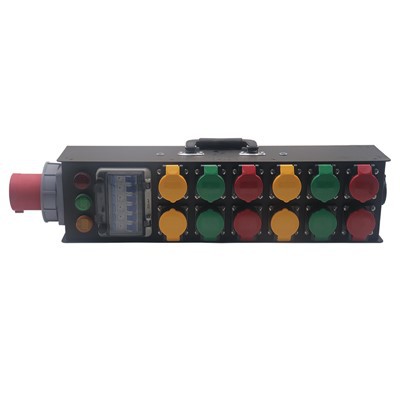
If you need to use multiple devices simultaneously, consider using a power strip with a built - in overload protection feature. This can help prevent damage to the socket by automatically cutting off the power if the load exceeds a safe level. Our Multifunctional Industrial Socket has a clear load - capacity indication and is designed to handle a variety of electrical loads safely.
6. Protect from Chemicals and Corrosive Substances
In some environments, sloping surface - mounted sockets may be exposed to chemicals or corrosive substances. For example, in industrial settings, there may be chemicals in the air or on the surfaces that can corrode the socket.
If the socket is in a chemical - prone area, choose a socket with a corrosion - resistant housing. Some sockets are made of materials such as stainless steel or special plastics that can withstand the effects of chemicals.
Avoid contact between the socket and corrosive liquids. If a spill occurs near the socket, clean it up immediately to prevent the liquid from seeping into the socket and causing damage.
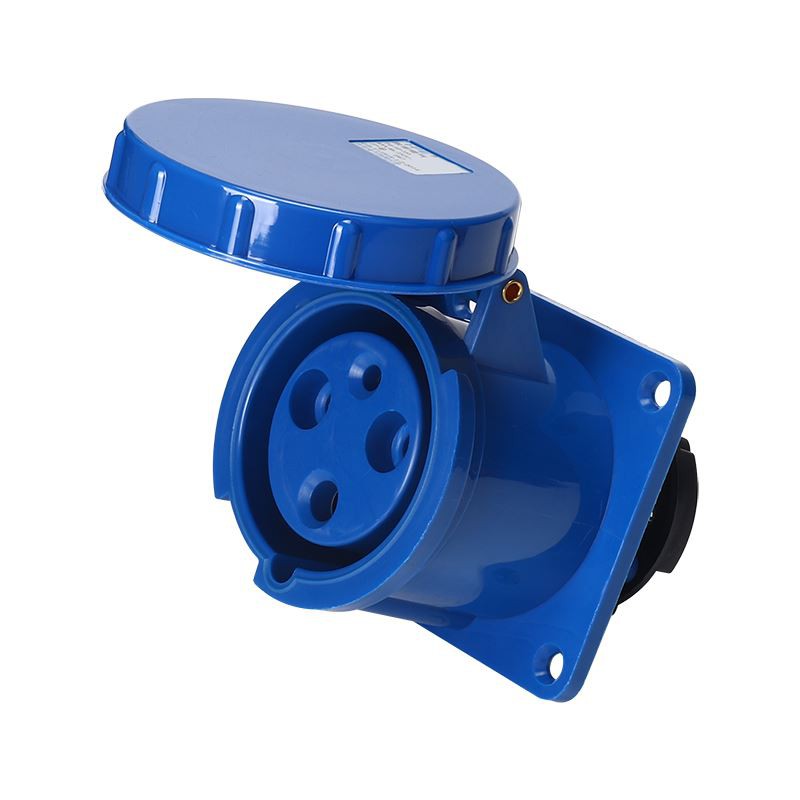
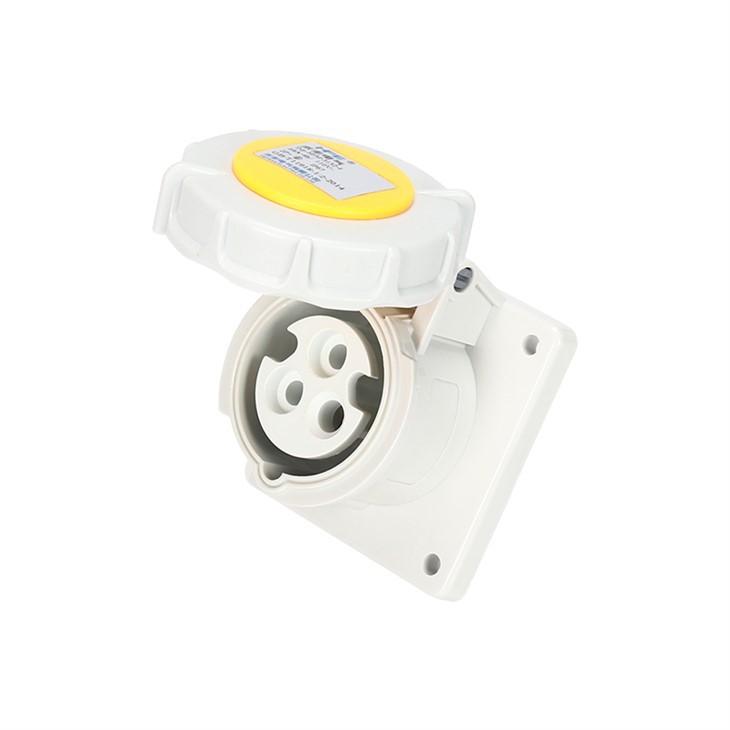
7. Provide Adequate Ventilation
Proper ventilation is important for preventing overheating of the sloping surface - mounted socket. When installing the socket, make sure that there is enough space around it for air to circulate.
If the socket is installed in an enclosed area, consider adding ventilation holes or using a fan to improve air circulation. Overheating can cause the insulation of the wires to degrade and increase the risk of electrical fires. Our 16A Surface Mount Socket is designed to allow for proper air circulation to prevent overheating.
8. Protect from UV Radiation
For outdoor sloping surface - mounted sockets, UV radiation from the sun can cause damage to the socket's housing over time. The UV rays can make the plastic or other materials brittle and prone to cracking.
To protect the socket from UV radiation, choose a socket with UV - resistant materials. Some sockets are treated with UV - stabilizers to prevent degradation. Additionally, you can use a shade or a cover that can block the direct sunlight from hitting the socket.
9. Secure the Cables
Loose or dangling cables can pose a risk to the sloping surface - mounted socket. They can be easily pulled or tripped over, which can cause damage to the socket or the connections.
Use cable clips or ties to secure the cables near the socket. Make sure that the cables are arranged neatly and do not put any stress on the socket. This can prevent the cables from being accidentally disconnected or causing the socket to become loose.
10. Educate Users
Finally, it is important to educate the users of the sloping surface - mounted socket about its proper use and protection. Provide clear instructions on how to use the socket safely, how to handle the protective cover, and what to do in case of an emergency.
If the socket is installed in a public or commercial area, post signs near the socket to remind users of the safety precautions. By making users aware of the importance of protecting the socket, you can reduce the risk of damage caused by improper use.
In conclusion, protecting a sloping surface - mounted socket from damage requires a combination of appropriate installation, regular maintenance, and the use of protective measures. As a supplier, we are committed to providing high - quality products and comprehensive solutions to ensure the long - term performance and safety of our sloping surface - mounted sockets. If you are interested in purchasing our products or have any questions about socket protection, please feel free to contact us for further discussion and negotiation. We look forward to working with you to meet your electrical needs.
References
- Electrical Installation Handbook, various editions.
- Manufacturer's guidelines for sloping surface - mounted sockets.
- Standards and regulations related to electrical safety.