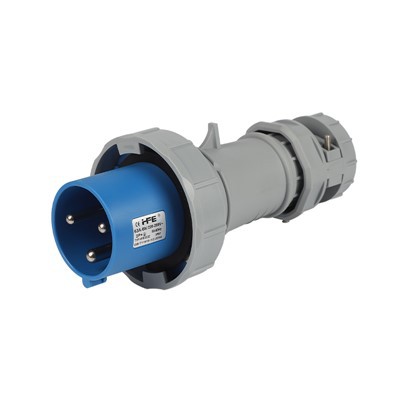
Can an interlocked switched socket be used in a high - rise building?
As a supplier of interlocked switched sockets, I am often asked whether these sockets can be used in high - rise buildings. This is a crucial question considering the unique requirements and safety concerns associated with high - rise structures. In this blog, we will explore the viability of using interlocked switched sockets in high - rise buildings, taking into account various factors such as safety, functionality, and regulatory compliance.


Safety Considerations
Safety is of utmost importance in high - rise buildings. With a large number of occupants and complex electrical systems, any electrical hazard can have serious consequences. Interlocked switched sockets offer several safety features that make them suitable for high - rise applications.
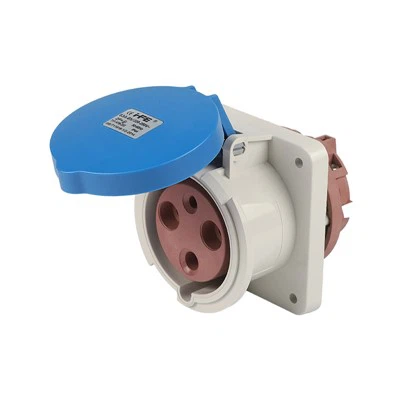
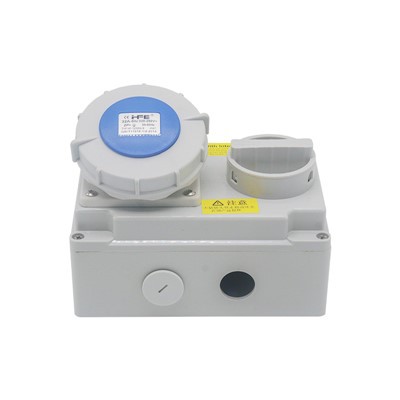
One of the key safety features of interlocked switched sockets is the interlock mechanism. This mechanism ensures that the socket is only energized when a plug is properly inserted and locked in place. It prevents accidental contact with live electrical parts, reducing the risk of electric shock. In a high - rise building, where there may be a mix of residents, including children and the elderly, this added safety measure is invaluable.
Moreover, interlocked switched sockets can be designed to prevent overloading. They can be equipped with built - in circuit breakers or fuses that automatically cut off the power when an excessive current is detected. This helps to prevent electrical fires, which are a major concern in high - rise buildings. For example, if a resident tries to plug in multiple high - power appliances into a single socket, the interlocked socket will detect the overload and shut off the power, protecting the electrical system and the building.
Functionality in High - Rise Buildings
In addition to safety, the functionality of interlocked switched sockets is also an important consideration. High - rise buildings often have specific electrical requirements, such as the need for centralized control and monitoring. Interlocked switched sockets can be integrated into a building's electrical management system, allowing for remote control and monitoring of the sockets.
For instance, building managers can use a central control panel to turn on or off the power to individual sockets or groups of sockets. This is particularly useful for energy management purposes. By controlling the power supply to non - essential sockets during off - peak hours, the building can reduce energy consumption and lower its electricity bills.
Interlocked switched sockets can also be used in conjunction with smart home technology. Residents can use their smartphones or other smart devices to control the sockets, allowing them to turn on or off appliances from anywhere. This adds a level of convenience and flexibility for the occupants of high - rise buildings.
Regulatory Compliance
High - rise buildings are subject to strict electrical safety regulations. These regulations are in place to ensure the safety of the occupants and the integrity of the building's electrical system. Interlocked switched sockets must meet these regulations to be used in high - rise buildings.
Most countries have specific standards for electrical sockets, including requirements for safety, performance, and durability. Interlocked switched sockets should be tested and certified to meet these standards. For example, in the United States, the National Electrical Code (NEC) sets out the requirements for electrical installations in buildings, including high - rise buildings. Interlocked switched sockets must comply with the NEC to be used legally.
In addition to national standards, high - rise buildings may also be subject to local building codes and regulations. These codes may have additional requirements for electrical systems, such as the use of fire - rated cables and the installation of emergency lighting. Interlocked switched sockets must be installed in accordance with these codes to ensure the safety of the building.
Case Studies
To illustrate the use of interlocked switched sockets in high - rise buildings, let's look at some case studies.
In a large high - rise apartment building in a major city, interlocked switched sockets were installed in all the units. The building management reported a significant reduction in electrical accidents and complaints related to electrical problems. The interlock mechanism prevented residents from accidentally touching live electrical parts, and the built - in overload protection helped to prevent electrical fires.
Another case study involves a high - rise office building. The building management wanted to improve energy efficiency and reduce electricity costs. By installing interlocked switched sockets and integrating them into the building's energy management system, they were able to control the power supply to non - essential sockets during off - peak hours. This resulted in a substantial reduction in energy consumption and cost savings for the building.
Conclusion
In conclusion, interlocked switched sockets can be used in high - rise buildings. They offer significant safety benefits, such as preventing electric shock and electrical fires, and they also provide functionality that is well - suited to the unique requirements of high - rise structures. Moreover, they can be designed to comply with the strict electrical safety regulations that apply to high - rise buildings.
If you are considering using interlocked switched sockets in your high - rise building project, we invite you to explore our products. We offer a wide range of Socket Outlets with Interlock and Interlocked Socket Outlet that are designed to meet the highest safety and performance standards. Our team of experts can provide you with more information and assist you in selecting the right sockets for your specific needs. Contact us today to start the procurement process and discuss how our interlocked switched sockets can enhance the safety and functionality of your high - rise building.
References
- National Electrical Code (NEC), various editions
- Local building codes and regulations for high - rise buildings
- Industry reports on electrical safety in high - rise buildings