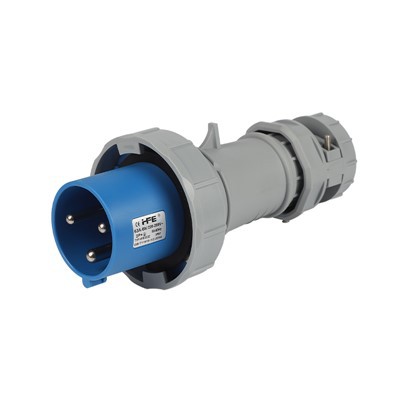
Hey there! As an industrial plug supplier, I get asked a lot, "Are industrial plugs safe?" That's a super important question, since industrial plugs are used in all sorts of high - stakes situations. Let's dive into it and see what makes these plugs tick safety - wise.
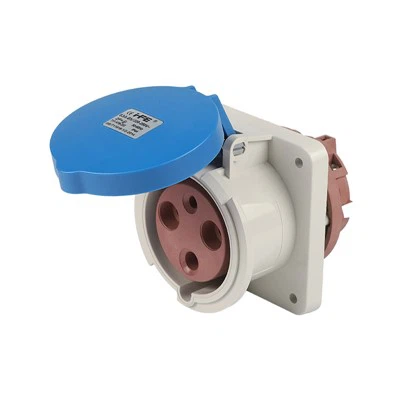
First off, it's crucial to understand the different types of industrial plugs out there. Take the IP67 Industrial Plug for example. This bad boy is designed to be highly resistant to dust and water. The "IP67" rating means it's completely protected against dust ingress and can be submerged in water up to a certain depth and for a specific time without suffering damage. That's a huge safety feature, especially in harsh industrial environments where there might be exposure to the elements or wet conditions. You wouldn't want an electrical connection short - circuiting because of a little water or dust, right?
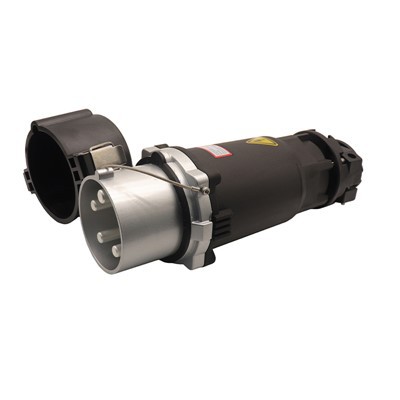
Then we have the IP44 Industrial Male Plug. This plug offers protection against splashing water and solid objects larger than 1mm. It's a great choice for indoor environments where there's a risk of some water splashing around, like in a factory with washing or cleaning operations nearby. The protection it provides reduces the risk of electrical shocks and equipment damage, which are major safety concerns.
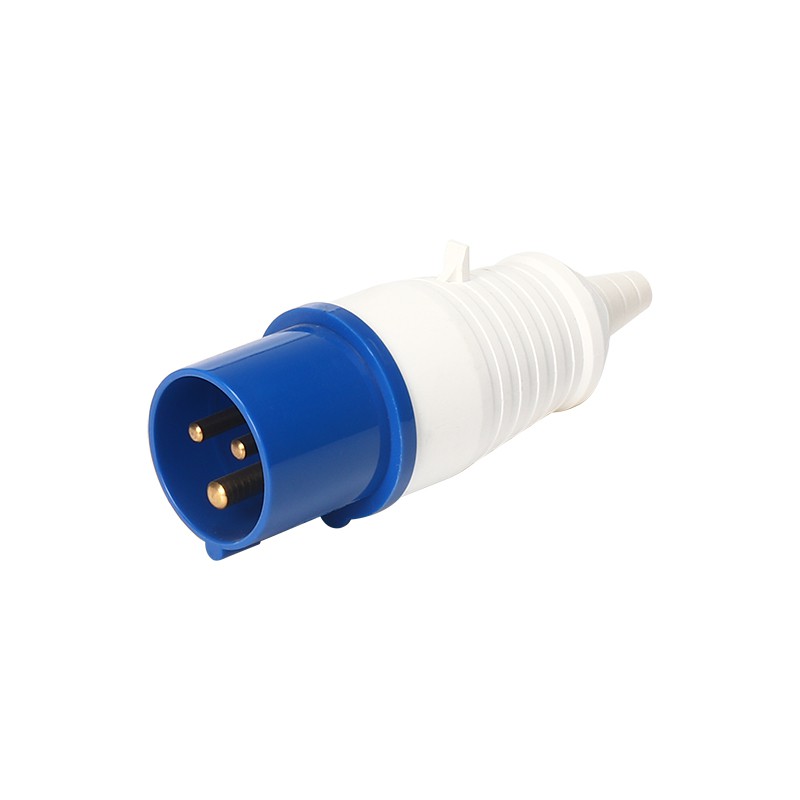

Now, let's talk about power ratings. Take the 16A Industrial Plugs. The "16A" indicates the maximum current the plug can safely carry. Using a plug with the correct current rating is vital for safety. If you try to run a high - power device through a plug that can't handle the current, it can overheat, which might lead to a fire. It's like trying to pour a whole gallon of water through a tiny straw - it just won't work, and you'll end up with a mess!
Design also plays a huge role in the safety of industrial plugs. Most industrial plugs are designed with robust materials that can withstand the rigors of industrial use. They're built tough to resist mechanical damage, like being knocked around or stepped on. A well - designed plug will have secure locking mechanisms to keep it firmly connected to the socket. Loose connections can cause arcing, which is not only a fire hazard but can also damage the equipment connected to the plug.
Another aspect is the insulation. Good - quality industrial plugs have high - grade insulation materials. This insulation prevents electricity from leaking out and coming into contact with people or other conductive materials. It acts as a barrier, keeping the electrical current where it's supposed to be - inside the wires.
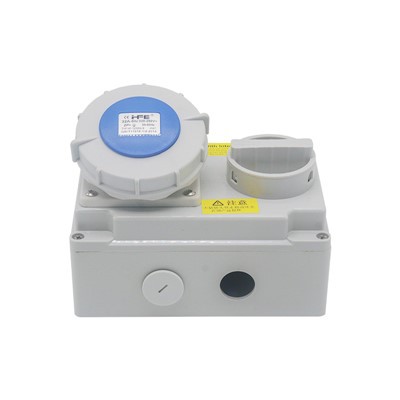
But safety isn't just about the plugs themselves. It also depends on how they're used. Proper installation is key. Plugs should be installed by trained professionals who understand the electrical system and the requirements of the specific plug. Incorrect installation can compromise the safety features of the plug. For example, if the wires aren't properly connected or if the grounding isn't done right, it can create a dangerous situation.
Regular maintenance is also important. Over time, plugs can wear out, especially in heavy - use industrial settings. Inspecting plugs regularly for signs of damage, like cracks in the casing or frayed wires, can prevent accidents. If a plug is damaged, it should be replaced immediately. You wouldn't drive a car with bald tires, right? Similarly, you shouldn't use a damaged industrial plug.
Let's take a look at some specialized industrial plugs, like the Reefer Container Industrial Plug. Reefer containers are used to transport perishable goods at a controlled temperature. These plugs need to be extremely reliable because any interruption in the power supply can lead to spoilage of the goods. They are designed with features to ensure a stable and safe electrical connection, even during the vibrations and movement of transportation.
The European Standard Industrial Plug follows specific safety standards set in Europe. These standards are in place to protect users and equipment. They cover aspects like the dimensions of the plug, the materials used, and the electrical safety features. Adhering to these standards gives you an extra layer of confidence in the safety of the plug.
In conclusion, industrial plugs can be very safe, but it all boils down to a combination of the plug's design, quality, proper installation, and maintenance. When you choose the right plug for the job and take good care of it, you minimize the risks associated with electrical connections in industrial settings.
If you're in the market for high - quality, safe industrial plugs, I'd love to have a chat with you. Whether you need an IP67 plug for a wet environment or a 16A plug for a medium - power device, we've got a wide range of options to suit your needs. Reach out to us for a consultation and let's find the perfect industrial plugs for your operations.
References
- Electrical Safety Standards Handbook
- Industrial Plug and Socket Design Manual