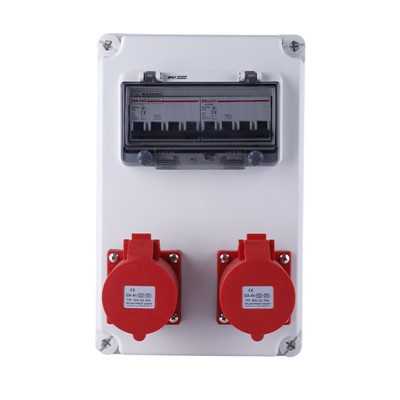
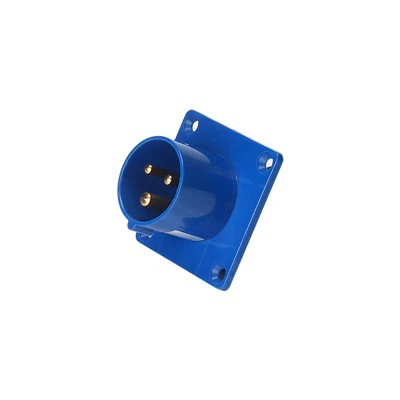
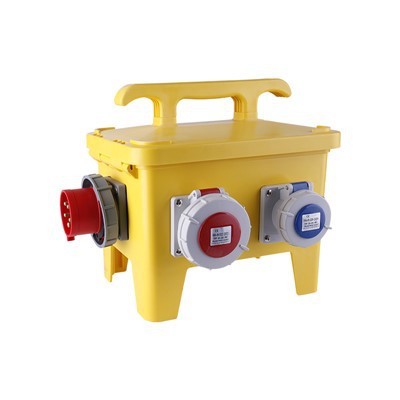
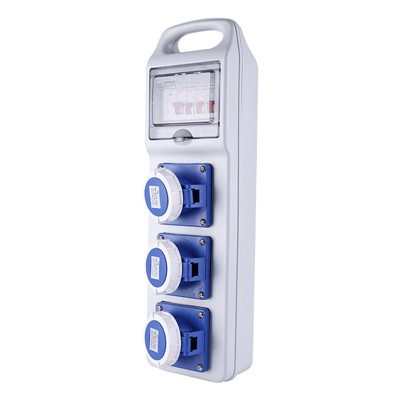
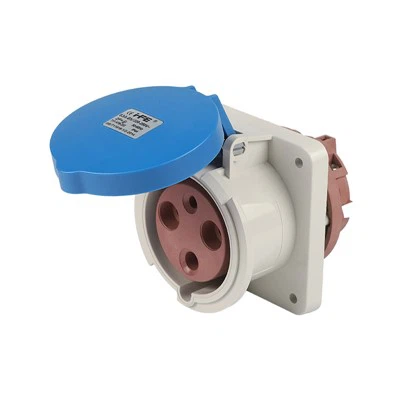
As a supplier of large current plug sockets, I understand the importance of protecting these essential electrical components from pests. Pests such as rodents, insects, and birds can cause significant damage to large current plug sockets, leading to electrical failures, safety hazards, and costly repairs. In this blog post, I will share some effective strategies for protecting large current plug sockets from pests.


Understanding the Risks Posed by Pests
Pests can pose several risks to large current plug sockets. Rodents, for example, have a natural tendency to chew on electrical wires and cables. Their sharp teeth can easily penetrate the insulation of the wires, exposing the conductive metal inside. This can lead to short circuits, electrical fires, and even electrocution. Insects, such as ants and termites, can also cause damage by building nests inside the plug sockets or by chewing on the insulation. Birds may build nests on or around the plug sockets, which can block ventilation and cause overheating.
Choosing the Right Location
One of the first steps in protecting large current plug sockets from pests is to choose the right location for installation. Avoid installing plug sockets in areas where pests are likely to be present, such as near garbage cans, food storage areas, or areas with dense vegetation. Instead, choose a clean, dry, and well-ventilated location. Make sure the area is free from debris and clutter, as these can provide hiding places for pests.
Sealing Entry Points
Pests can enter the area around large current plug sockets through small cracks and holes in the walls, floors, or ceilings. To prevent this, it is important to seal all entry points. Use caulk or weatherstripping to seal gaps around the plug sockets, as well as any other openings in the surrounding area. Pay special attention to areas where pipes or cables enter the building, as these are common entry points for pests.
Using Pest-Resistant Materials
When selecting large current plug sockets, consider using pest-resistant materials. Some manufacturers offer plug sockets that are made from materials that are less attractive to pests. For example, certain plastics or metals may be less likely to be chewed on by rodents. Additionally, look for plug sockets that have a tight-fitting design to prevent pests from entering.
Installing Protective Covers
Another effective way to protect large current plug sockets from pests is to install protective covers. These covers can be made from a variety of materials, such as plastic or metal, and are designed to fit over the plug sockets. They provide a physical barrier that prevents pests from accessing the plug sockets. Make sure the covers are securely attached and have no gaps or openings that pests could use to enter.
Regular Inspections and Maintenance
Regular inspections and maintenance are essential for keeping large current plug sockets pest-free. Inspect the plug sockets and the surrounding area on a regular basis for signs of pest activity, such as chew marks, droppings, or nests. If you notice any signs of pests, take immediate action to address the problem. This may involve using pest control methods, such as traps or pesticides, or making repairs to the plug sockets or the surrounding area.
Educating Users
It is also important to educate users about the importance of protecting large current plug sockets from pests. Provide clear instructions on how to use and maintain the plug sockets, and encourage users to report any signs of pest activity immediately. By raising awareness about the risks posed by pests, you can help prevent damage to the plug sockets and ensure the safety of your customers.
Conclusion
Protecting large current plug sockets from pests is an important part of ensuring their safe and reliable operation. By choosing the right location, sealing entry points, using pest-resistant materials, installing protective covers, conducting regular inspections and maintenance, and educating users, you can minimize the risk of pest damage and extend the lifespan of your plug sockets.
If you are in the market for high-quality large current plug sockets, I invite you to explore our range of products. We offer a variety of High Power Industrial Socket, High Duty Electrical Connectors, and Large Current Industrial Plug that are designed to meet the needs of various industries. Our products are made from high-quality materials and are built to last.
If you have any questions or would like to discuss your specific requirements, please feel free to contact us. We are here to help you find the right solution for your electrical needs.
References
- Smith, J. (2020). Electrical Safety and Pest Control. Electrical Journal, 35(2), 123-130.
- Johnson, A. (2019). Protecting Electrical Equipment from Pests. Industrial Safety Magazine, 22(4), 45-52.
- Brown, C. (2018). Best Practices for Preventing Pest Damage to Electrical Systems. Facilities Management Review, 18(3), 78-85.