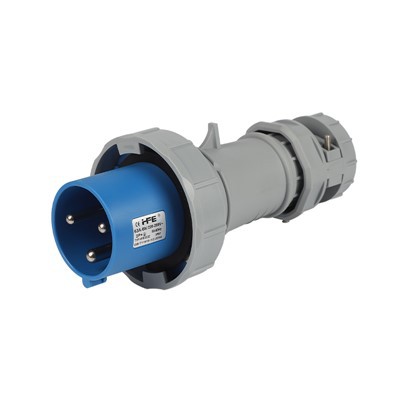
As a supplier of combined socket boxes, I've witnessed firsthand the importance of optimizing their performance. In this blog, I'll share some practical tips and strategies that can help you get the most out of these essential electrical devices.
Understanding the Basics of Combined Socket Boxes
Before delving into optimization techniques, it's crucial to understand what a combined socket box is and how it functions. A combined socket box is a multi - purpose electrical unit that typically combines multiple sockets, switches, and sometimes additional features like circuit breakers or surge protectors. They are used in various settings, including industrial, commercial, and residential environments.
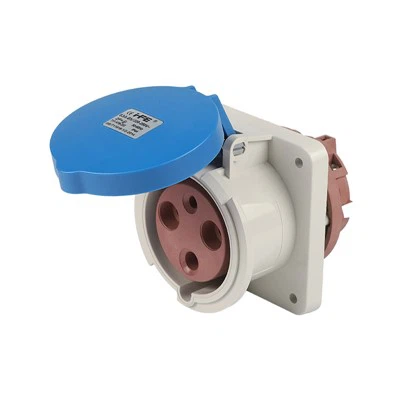
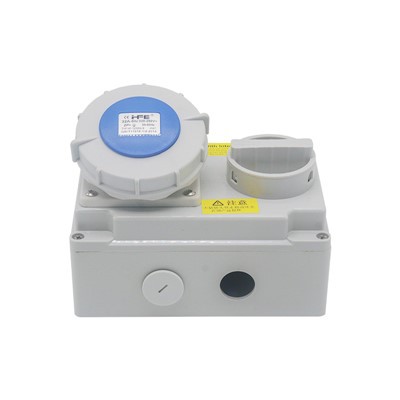
There are different types of combined socket boxes available in the market. For instance, the Industrial Combination Socket Box is designed for heavy - duty industrial applications, where it needs to withstand harsh conditions and high electrical loads. On the other hand, the Portable Combined Socket Box is more suitable for on - the - go use, such as in construction sites or outdoor events.
Selecting the Right Materials
The materials used in the construction of a combined socket box play a vital role in its performance. High - quality materials not only ensure durability but also contribute to better electrical conductivity and safety.
Enclosure Materials
The enclosure of the socket box should be made of a robust and fire - resistant material. For industrial applications, metal enclosures are often preferred due to their strength and ability to provide electromagnetic shielding. However, plastic enclosures can also be a good choice, especially for residential or less demanding commercial settings. They are lightweight, corrosion - resistant, and can be easily molded into different shapes.
Electrical Components
The quality of electrical components such as sockets, switches, and circuit breakers is equally important. Look for components that are rated for the appropriate electrical load and have a good reputation for reliability. For example, sockets with gold - plated contacts offer better conductivity and are less prone to oxidation, which can improve the overall performance of the socket box.
Proper Installation
Proper installation is key to optimizing the performance of a combined socket box. A poorly installed socket box can lead to issues such as loose connections, overheating, and electrical hazards.
Mounting Location
Choose a suitable mounting location for the socket box. It should be easily accessible for users but also protected from physical damage, moisture, and extreme temperatures. In industrial settings, the socket box should be mounted in a well - ventilated area to prevent overheating.
Wiring
Ensure that the wiring is done correctly. Use the appropriate gauge of wire for the electrical load and make sure all connections are tight and secure. Loose connections can cause arcing, which is a major fire hazard. Additionally, label the wires clearly to facilitate future maintenance and troubleshooting.
Regular Maintenance
Regular maintenance is essential for keeping a combined socket box in optimal condition.
Visual Inspections
Conduct regular visual inspections of the socket box. Check for any signs of damage, such as cracks in the enclosure, loose parts, or discoloration of the electrical components. If any issues are detected, they should be addressed immediately.
Cleaning
Keep the socket box clean. Dust and debris can accumulate inside the box, which can affect the electrical performance and increase the risk of short circuits. Use a dry cloth or a compressed air canister to clean the interior of the box.
Testing
Periodically test the electrical components of the socket box. This includes checking the functionality of the sockets, switches, and circuit breakers. A simple continuity test can be used to check if the sockets are working properly.
Additional Features for Optimization
Some combined socket boxes come with additional features that can enhance their performance.
Surge Protection
Surge protectors are an important addition to any socket box, especially in areas where there are frequent power surges. A surge protector can prevent damage to connected devices by diverting excess voltage to the ground.
Circuit Breakers
Circuit breakers provide over - current protection. They automatically trip when the electrical current exceeds a certain limit, preventing damage to the socket box and the connected devices. Make sure the circuit breaker is rated correctly for the electrical load of the socket box.
Waterproof Covers
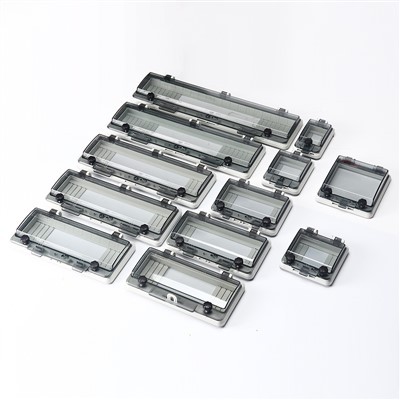
In outdoor or wet environments, waterproof covers are essential. For example, the MCB Protection Cover can protect the circuit breaker from water and moisture, ensuring its proper functioning.


Compatibility with Connected Devices
The performance of a combined socket box can also be affected by the devices connected to it. Make sure that the socket box is compatible with the electrical requirements of the connected devices.
Voltage and Current Ratings
Check the voltage and current ratings of the connected devices and ensure that they are within the capacity of the socket box. Overloading the socket box can lead to overheating and damage to the electrical components.
Plug Types
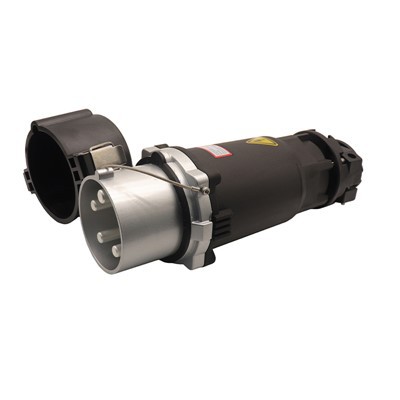
Different regions have different plug types. Ensure that the socket box has the appropriate plug types to accommodate the devices you plan to connect. For example, in some industrial applications, Industrial Extension Sockets may be required to provide additional reach.
Energy Efficiency
Optimizing the energy efficiency of a combined socket box can not only save energy but also reduce operating costs.
Smart Sockets
Consider using smart sockets in the combined socket box. Smart sockets can be controlled remotely, allowing you to turn off devices when they are not in use. This can help to reduce standby power consumption.
Energy - Saving Switches
Energy - saving switches, such as motion - activated switches or timer switches, can also be installed in the socket box. These switches can automatically turn off the power to the connected devices when there is no activity, saving energy.
Troubleshooting
Even with proper installation and maintenance, issues may still arise with a combined socket box. Here are some common problems and their solutions:
Overheating
If the socket box is overheating, it could be due to overloading, loose connections, or a faulty electrical component. Check the electrical load, tighten the connections, and replace any faulty components.
No Power
If there is no power to the socket box, check the circuit breaker to see if it has tripped. If it has, reset the breaker. If the problem persists, check the wiring for any breaks or loose connections.
Short Circuits
A short circuit can cause the circuit breaker to trip. Check for any exposed wires or damaged electrical components that may be causing the short circuit. Repair or replace the affected parts.
Conclusion
Optimizing the performance of a combined socket box requires a combination of proper selection, installation, maintenance, and troubleshooting. By following the tips and strategies outlined in this blog, you can ensure that your combined socket box operates efficiently, safely, and reliably.
If you are interested in purchasing high - quality combined socket boxes or need further advice on optimizing their performance, we are here to help. We offer a wide range of products, including Industrial Combination Socket Box, Industrial Extension Socket, Mobile Power Box, MCB Protection Cover, and Portable Combined Socket Box. Contact us for a detailed discussion on your specific requirements and to explore the best solutions for your needs.
References
- Electrical Installation Handbook, Schneider Electric
- National Electrical Code (NEC)