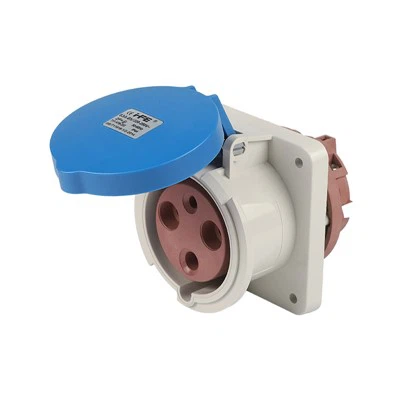
Hey there! As a supplier of large current plug sockets, I know how important it is to use these devices safely. Electrical shock is a serious risk, especially when dealing with high currents. In this blog post, I'll share some tips on how to prevent electrical shock when using a large current plug socket.
Understanding the Risks
Before we dive into prevention methods, let's take a quick look at why electrical shock is so dangerous. When you come into contact with an electrical current, it can disrupt the normal functioning of your body's electrical system. This can lead to muscle contractions, burns, and even cardiac arrest in severe cases. Large current plug sockets are designed to handle high levels of electricity, which means the risk of electrical shock is even greater.
Choose the Right Equipment
One of the most important steps in preventing electrical shock is to choose the right equipment. Make sure you're using a high-quality large current plug socket that is designed to handle the specific electrical load you need. Look for products that are certified by recognized safety organizations, such as UL or CE. These certifications ensure that the product meets strict safety standards.


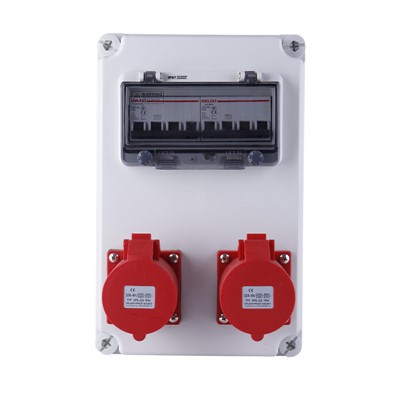
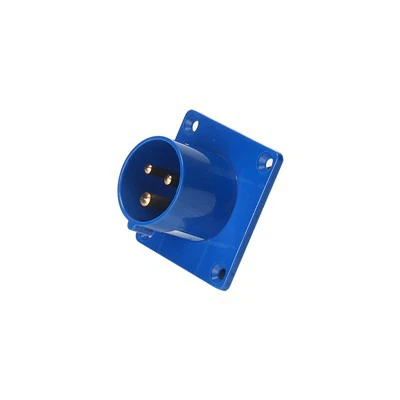
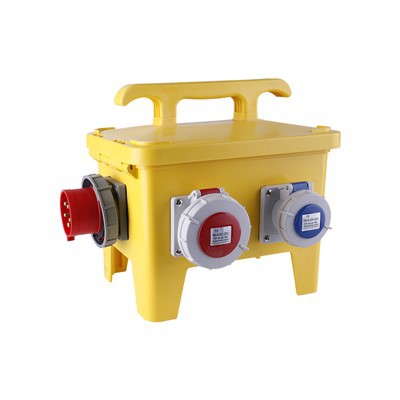
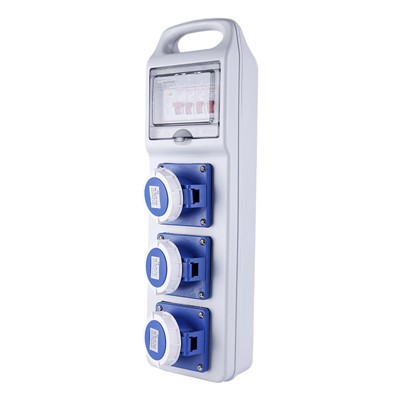
If you're in the market for high-quality large current plug sockets, check out our High Duty Electrical Connectors, High Power Industrial Socket, and Large Current Industrial Plug. These products are designed to provide reliable and safe electrical connections.
Inspect the Equipment Regularly
Once you've chosen the right equipment, it's important to inspect it regularly for any signs of damage or wear. Check the plug and socket for any loose connections, frayed wires, or other visible damage. If you notice any issues, stop using the equipment immediately and have it repaired or replaced.
Use Proper Installation Techniques
Proper installation is crucial for preventing electrical shock. Make sure the plug socket is installed by a qualified electrician who follows all local electrical codes and regulations. The socket should be securely mounted to a stable surface and properly grounded.
Avoid Overloading the Socket
Overloading a large current plug socket can increase the risk of electrical shock and fire. Make sure you're not plugging in too many devices at once or using appliances that draw more current than the socket can handle. Check the wattage ratings of your appliances and make sure they don't exceed the maximum capacity of the socket.
Keep the Area Dry
Water and electricity don't mix. Make sure the area around the plug socket is dry at all times. Avoid using electrical appliances in wet areas, such as bathrooms or near sinks. If the socket gets wet, turn off the power immediately and have it inspected by a qualified electrician.
Use Insulated Tools
When working with electrical equipment, always use insulated tools. This will help prevent electrical shock if you accidentally come into contact with a live wire. Make sure the tools are in good condition and rated for the voltage you're working with.
Educate Yourself and Others
Finally, it's important to educate yourself and others about the risks of electrical shock and how to prevent it. Make sure everyone who uses the large current plug socket understands the safety guidelines and knows what to do in case of an emergency.
Conclusion
Preventing electrical shock when using a large current plug socket is all about taking the right precautions. By choosing the right equipment, inspecting it regularly, using proper installation techniques, avoiding overloading, keeping the area dry, using insulated tools, and educating yourself and others, you can reduce the risk of electrical shock and ensure a safe working environment.
If you're interested in purchasing high-quality large current plug sockets, please don't hesitate to contact us for more information. We'd be happy to help you find the right products for your needs.
References
- National Fire Protection Association. (2023). National Electrical Code (NEC).
- Occupational Safety and Health Administration (OSHA). (2023). Electrical Safety Standards.